What Plano Residents Should Know About Emergency Dental Care
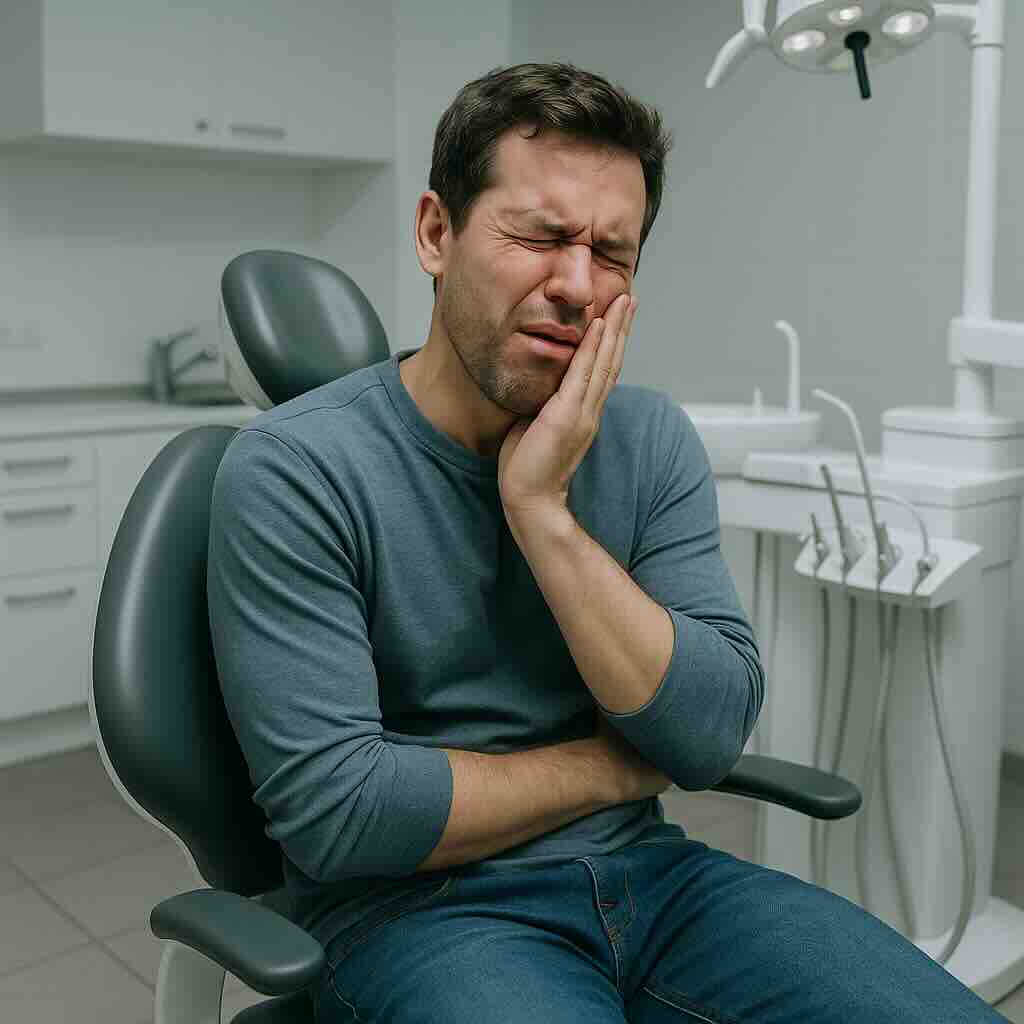
A dental emergency has a way of rearranging the day in seconds. One minute you are answering emails, driving down Preston Road, or heading to a kid’s game, and the next you are dealing with a cracked molar, a swelling jaw, or a front tooth that hit the floor of the gym before you did. When pain ramps up fast, people often lose time trying to decide whether they should wait, call their regular dentist, head to an urgent care clinic, or look for an emergency dentist Plano, TX patients can see the same day.
That hesitation is understandable. Dental problems do not always declare themselves clearly. A dull ache can turn sharp overnight. A crown that pops off may feel manageable at first, until the exposed tooth starts reacting to every sip of water. Swelling can look minor in the mirror but signal something much more serious beneath the gumline. The right move depends on the cause, the severity, and how quickly symptoms are changing.
For Plano residents, the most important thing to know is that emergency dental care is not only about pain relief. It is about protecting the tooth, containing infection, and reducing the chance that a fixable problem becomes a more invasive and expensive one. Timing matters.
What counts as a true dental emergency
Not every dental problem needs immediate treatment, but some should never be put off. The dividing line is usually one of three things: uncontrolled pain, active infection, or trauma that affects a tooth, jaw, or soft tissue.
A knocked-out adult tooth is an emergency in the clearest sense. The odds of saving it are best when treatment happens quickly, ideally within an hour. A broken tooth can also be urgent, especially if the break exposes the nerve or leaves a sharp edge cutting the tongue or cheek. Severe swelling, especially when it spreads into the face or neck, is another red flag. Dental infections can move beyond the tooth and become medical emergencies.
Then there are problems that feel less dramatic but still deserve prompt care. A lost filling, a loose crown, sudden sensitivity to pressure, a gum abscess that looks like a pimple, or pain that wakes you up at night may not look serious from the outside, but dentists see these symptoms every day in teeth that are heading toward root canal treatment, extraction, or a significant infection if left alone.
A practical test helps. If you are asking yourself whether you can comfortably eat, sleep, speak, or focus, the answer often tells you how urgent the problem is. Another useful question is whether the issue is getting worse by the hour or by the day. Fast change usually means fast attention.
The problems Plano dentists see most often after-hours
Across busy suburban communities like Plano, dental emergencies tend to follow a familiar pattern. Cracked teeth are common, especially in adults who have older fillings, large restorations, or a habit of clenching and grinding. It often happens while chewing something ordinary, a crusty piece of bread, ice, nuts, or even a hard candy. The patient will say, “I felt a sharp bite on one side, and now I cannot chew there at all.”
In children and teens, sports injuries are frequent. Basketball courts, soccer fields, trampolines, and backyard collisions produce chipped front teeth, lip lacerations, and occasional avulsed teeth, meaning teeth knocked completely out. Timing and handling matter enormously in those cases.
Infections are another major category. Sometimes the pain has been simmering for weeks and suddenly becomes unbearable. Other times there is little pain, but the person wakes up with obvious facial swelling. That is one of the easier emergencies to underestimate. Once swelling enters the picture, dentists become less interested in how long the tooth has bothered you and more interested in whether the infection is spreading.
Broken dentures, lost crowns before work travel, and implant-related pain also show up often. These may not be life-threatening, but they can be functionally urgent. If you speak to clients for a living or are about to leave town, a damaged restoration is not a minor inconvenience.
When to call a dentist, and when to go to the ER
Emergency rooms are essential for some dental-related situations, but not all. A hospital ER can help with serious swelling, breathing difficulty, uncontrolled bleeding, jaw fractures, and trauma that affects the face more broadly. If you cannot swallow normally, if the swelling is pushing into the throat, or if you have signs of a significant infection with fever and facial swelling, that is medical territory.
For most tooth-specific emergencies, a dentist is the better first call. Emergency physicians can address pain and infection risk, but they usually cannot perform definitive dental treatment such as a root canal, crown repair, drainage of a dental abscess through the tooth, or reimplantation steps that preserve a knocked-out tooth long term. Many patients who go to the ER for a toothache leave with temporary relief and still need a dentist as soon as possible.
The challenge is knowing which scenario you are in. Here is a short rule of thumb many dental teams use when advising patients by phone:
- Go to the ER if you have trouble breathing, trouble swallowing, significant facial trauma, or bleeding that does not stop.
- Call a dentist immediately for knocked-out teeth, severe tooth pain, swelling, abscesses, broken teeth, or lost restorations causing pain.
- Treat a mild chip without pain or a small lost filling as urgent, but not necessarily middle-of-the-night urgent, unless symptoms escalate.
- If you are unsure, call an emergency dental office and describe the symptoms in detail. A good team will tell you honestly whether you need a hospital or a dental chair.
That distinction saves time, money, and often a great deal of discomfort.
What to do in the first 30 minutes
The first half hour after a dental injury or sudden pain matters more than most people realize. The goal is not to perform home dentistry. It is to avoid making things worse while keeping options open for the dentist.
If a tooth is knocked out, handle it by the crown, not the root. If it is dirty, rinse it gently with milk or saline if available, or water for just a few seconds if that is all you have. Do not scrub it. In some cases, an adult can carefully place the tooth back into the socket and bite gently on clean gauze, but if that feels uncertain, keeping the tooth moist in milk is usually the safer move. Let the dental office guide you while you are on the way.
If a tooth breaks, save the fragment if you can. It is not always usable, but sometimes it helps. Rinse your mouth gently with warm water. If there is swelling, a cold compress on the outside of the face is appropriate. If bleeding is present, steady pressure with gauze often controls it.
For sudden toothache or swelling, do not place aspirin directly on the gum. People still try this, and it can burn the tissue without helping the underlying problem. Over-the-counter pain medicine taken as directed on the label is usually more useful, assuming no medical reason prevents you from taking it. Rinsing with warm salt water can soothe irritated tissue, but it will not stop an infection inside a tooth.
If a crown comes off, keep it. Sometimes it can be recemented, depending on the tooth and the condition of the crown. Avoid chewing on that side and keep the area clean. If a wire, denture edge, or broken tooth is cutting your mouth, dental wax from a pharmacy can be surprisingly helpful until you are seen.
Why waiting is often the expensive option
People delay emergency dental visits for familiar reasons. They hope the pain will settle down. They have a packed workday. They worry about cost. They are embarrassed because they have not been to the dentist recently. All of that is common, and none of it changes the biology.
A small cavity that reaches the nerve does not stay a small cavity. A crack that only hurts when chewing can split farther and render a restorable tooth non-restorable. A localized infection can spread into surrounding bone and soft tissue. A loose crown can expose a tooth to fracture or decay. Delay can turn a filling into a root canal, a crown into an extraction, and a straightforward visit into multiple appointments.
There is also the matter of pain patterns. Dental pain can be deceptive. It may flare, then fade, then return much worse. Patients often interpret a quieter day as improvement when, in reality, the nerve may be dying or the infection may be finding a different path. Relief is not always a sign that the problem is resolving.
From a cost standpoint, early intervention is usually the least expensive route, though not always the one patients expect. Even when emergency exams, imaging, and same-day treatment feel like an unplanned burden, they are often less costly than the alternatives that arrive after a weekend of waiting.
What a same-day emergency visit usually looks like
People who have never needed urgent dental care often imagine chaos. In reality, most emergency appointments are structured and efficient. The visit typically begins with a focused history. The dentist wants to know when the problem started, what triggered it, how pain behaves, whether swelling is present, and whether there was trauma. This history matters because two patients can both say “toothache” and need very different treatment.
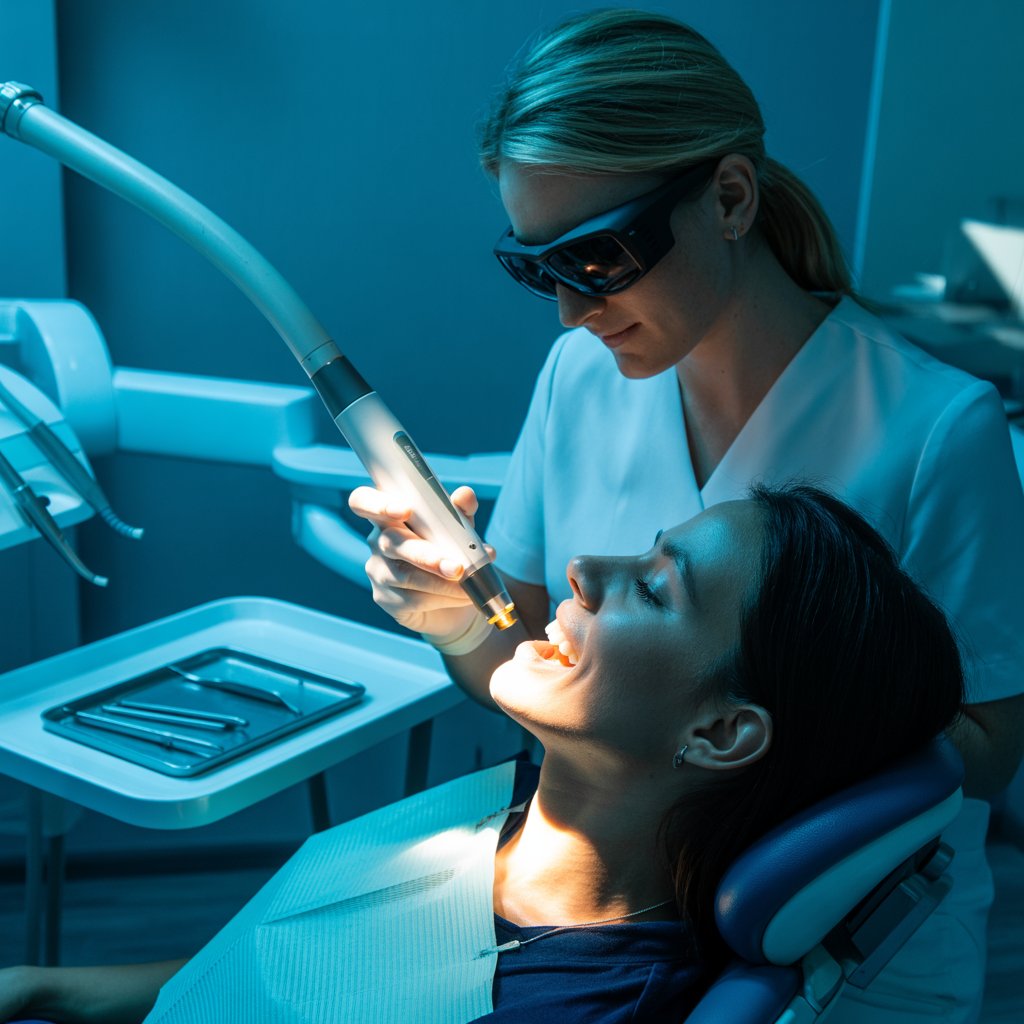
Next comes an exam and usually one or more X-rays. Dentists are trying to answer a few specific questions. Is the pulp, the nerve tissue inside the tooth, inflamed or infected? Is there a crack, and if so, how deep does it go? Is the bone around the tooth involved? Is the swelling coming from the tooth, the gum, or something else entirely?
Treatment that day depends on the diagnosis. Sometimes the goal is definitive care, such as removing decay, smoothing a fracture, placing a temporary restoration, recementing a crown, extracting a tooth that cannot be saved, or beginning root canal treatment. Other times the first appointment is about stabilizing the situation, managing infection risk, and getting the patient comfortable enough to return for full treatment when swelling subsides or more time is available.
This is where experience shows. Good emergency dentists do not just chase pain. They look for the fastest safe route to preserving function while being honest about prognosis. A badly split tooth may need extraction even if the patient wants a filling. A swollen tooth may need drainage and root canal therapy, not just antibiotics. Judgment matters.
Cost, insurance, and the questions worth asking before you sit down
Dental emergencies are stressful enough without financial surprises. Fees vary based on the exam, imaging, treatment complexity, and whether the office is handling the issue temporarily or definitively that day. A limited emergency exam usually costs less than a comprehensive visit, but once treatment begins, pricing can move quickly depending on whether you need a filling, root canal therapy, extraction, a crown-related repair, or follow-up work.
Insurance can help, but coverage is often less straightforward than patients expect. Many plans cover emergency evaluations and X-rays in some form, yet the major expense depends on the actual treatment performed. Waiting periods, annual maximums, and deductibles often matter more than the word “emergency” on your chart.
Before treatment starts, it is reasonable to ask a few direct questions. What is the likely diagnosis? What can be done today? Is this a temporary fix or the final treatment? What are the alternatives? What is the estimated cost for today’s care, and what additional treatment is likely to follow? Good offices answer these questions clearly because patients make better decisions when they know what Emergency dentist Plano, TX they are agreeing to.
If budget is a concern, say so early. Dental teams hear this every day. There may be staged options that address the immediate problem while spacing out the rest. That is not always possible, but when it is, transparency helps.
Choosing the right emergency dentist in Plano
When pain hits, most people search fast. The phrase “emergency dentist Plano, TX” gets typed into a phone, and the first few results can look similar. They are not. Availability matters, but so do training, technology, communication, and the office’s willingness to explain realistic next steps.
An office that truly handles emergencies should be able to triage by phone, reserve time for urgent cases, and give practical instructions before you arrive. It should also be equipped for diagnostics, not just pain management. Digital X-rays are standard in many practices, and same-day treatment capability makes a real difference when a problem should not wait.
It also helps to pay attention to how the office talks to you. Emergency care is not a sales event. The best practices are calm, direct, and specific. They tell you what sounds urgent, what to do on the way in, and whether there are limitations to what can be done that day. That level of honesty is often a better predictor of a good experience than flashy marketing language.
For families, consider pediatric comfort as well. A child with a broken front tooth or swollen gum is not simply a smaller adult patient. The office should know how to manage fear, assess whether a tooth is primary or permanent, and explain the situation in language that reassures both the child and the parent.
Special situations parents should keep in mind
Dental emergencies involving children create a different kind of stress. Parents are juggling pain, panic, and uncertainty about whether the injured tooth is a baby tooth or an adult tooth. That detail matters a great deal. A knocked-out baby tooth is generally not replanted because doing so can damage the developing permanent tooth underneath. A knocked-out permanent tooth, by contrast, is time-sensitive and may be saved with fast action.
Children also tend to underreport or overreport symptoms depending on age and temperament. A child who says “my tooth feels funny” after a fall may have a concussion injury to the tooth even when there is no obvious fracture. Another may cry intensely over a small lip injury while the tooth itself is stable. A careful exam is the only reliable way to sort that out.
Orthodontic emergencies are another common issue in this age group. A poking wire or loose bracket rarely requires an ER visit, but it can be miserable. Wax can buy time. If there is actual trauma to the teeth or jaw in addition to braces, that becomes a different conversation and should be assessed promptly.
Infections deserve more respect than they usually get
A lot of people think of dental infections as painful but routine, something antibiotics will knock out in a day or two. The reality is more nuanced. Antibiotics can be important, especially when swelling, fever, or diffuse infection is present, but they do not remove the source of the problem if that source is a dying tooth, deep decay, or trapped infection within the root system. Definitive dental treatment is usually still necessary.
Dentists also pay close attention to the location and pace of swelling. A small, localized gum boil near one tooth is one thing. Swelling that changes your appearance, restricts opening, or spreads under the jaw is another. If you have had a severe toothache and then develop facial swelling, do not treat that as a wait-and-see problem.
There is also a public health angle that does not get enough attention. People with diabetes, immune suppression, recent major illness, or certain cardiac conditions may have more to lose from delayed treatment. Pregnancy can add another layer of concern because unmanaged infection is not harmless simply because medication choices are more carefully considered. Emergency dental care often requires balancing the dental problem with the patient’s broader medical picture.
A few practical preparations that make emergencies easier
No one plans for a chipped tooth at 8:15 p.m., but a little preparation reduces the scramble. Families with active children, older adults with extensive dental work, or anyone who has had prior root canals, crowns, or dental trauma should know where they would call after hours and how that office handles same-day emergencies.
Keep this short checklist in mind:
- Save the number of your general dentist and a backup emergency dental office in your phone.
- Keep a small dental kit at home with gauze, dental wax, a clean container, and over-the-counter pain medicine you can safely take.
- Know your medications, allergies, and insurance information before an urgent visit is needed.
- If you play sports, use a properly fitted mouthguard.
- Do not ignore small warning signs such as intermittent pain when chewing or recurring sensitivity near an old filling.
Those modest steps often determine whether an urgent situation feels manageable or chaotic.
The role of prevention, even in an article about emergencies
Emergency dentistry begins long before the emergency. Many urgent visits trace back to issues that gave subtle warnings first, hairline cracks, failing fillings, clenching, gum disease, and untreated decay among them. Regular exams catch a surprising amount of trouble while the fix is still simple.
Nightguards are one of the most underrated tools in adult dentistry. Patients who grind or clench often think their jaw tension is just stress. Then a cusp breaks off a molar, or a crown fractures, and the pattern becomes obvious. A well-made nightguard is not glamorous, but it is much cheaper than replacing cracked restorations one by one.
Mouthguards for sports are equally important, particularly for teens who move between school teams, club sports, and recreational play. Store-bought guards are better than none, but fit matters. The better the fit, the more likely the athlete is to wear it consistently.
Good preventive care also means paying attention to restorations that are aging out. Crowns do not last forever. Large fillings weaken tooth structure over time. A tooth that feels slightly “off” when biting can stay in that gray zone for months before it finally breaks at the worst possible moment. Dentists are not always trying to upsell when they warn that a heavily restored tooth may need a crown. Often they are trying to help you avoid a weekend emergency.
What matters most when pain makes it hard to think
When people are in real dental pain, they want two things right away: relief and certainty. Relief matters, but certainty is what prevents repeat emergencies. The key question is not simply how to get through tonight. It is what diagnosis explains the pain, what treatment resolves it, and what timeline gives the tooth the best chance.
For Plano residents, the smartest move in many cases is to seek care sooner than instinct suggests. Call when symptoms start accelerating, not after they become unbearable. If a tooth is knocked out, act immediately. If swelling appears, take it seriously. If you are unsure whether you need urgent care or a hospital, ask an emergency dental office first unless breathing or swallowing is affected.
The practical value of an experienced emergency dentist is not only technical skill. It is the ability to sort out urgency from anxiety, temporary irritation from true danger, and a salvageable tooth from one that requires a different plan. In an emergency, that kind of judgment is what turns a frightening interruption into a solvable problem.
Vitality Dental
1220 Coit Rd # 106, Plano, TX 75075, United States
+1 972-645-4100
FAQ About Emergency dentist Plano, TX
Will the ER do anything for dental pain?
An emergency department can assess urgent symptoms and provide medical stabilization. Definitive treatment of the tooth usually requires a dentist. Seek emergency medical care for breathing or swallowing difficulty, uncontrolled bleeding, or serious facial injury.
What to do if I have a dental emergency in the middle of the night?
Contact a dentist or after-hours dental service promptly for guidance. If a permanent tooth is knocked out, keep it moist in milk while seeking immediate care. If symptoms suggest a medical emergency, go to an emergency department.
What qualifies as a dental emergency?
A knocked-out permanent tooth, severe or persistent tooth pain, a significant dental injury, or swelling may require urgent dental assessment. Call a dentist to describe the symptoms and determine timing. Uncontrolled bleeding or difficulty breathing or swallowing requires emergency medical care.