The Benefits of Same-Day Treatment From an Emergency Dentist in Plano, TX
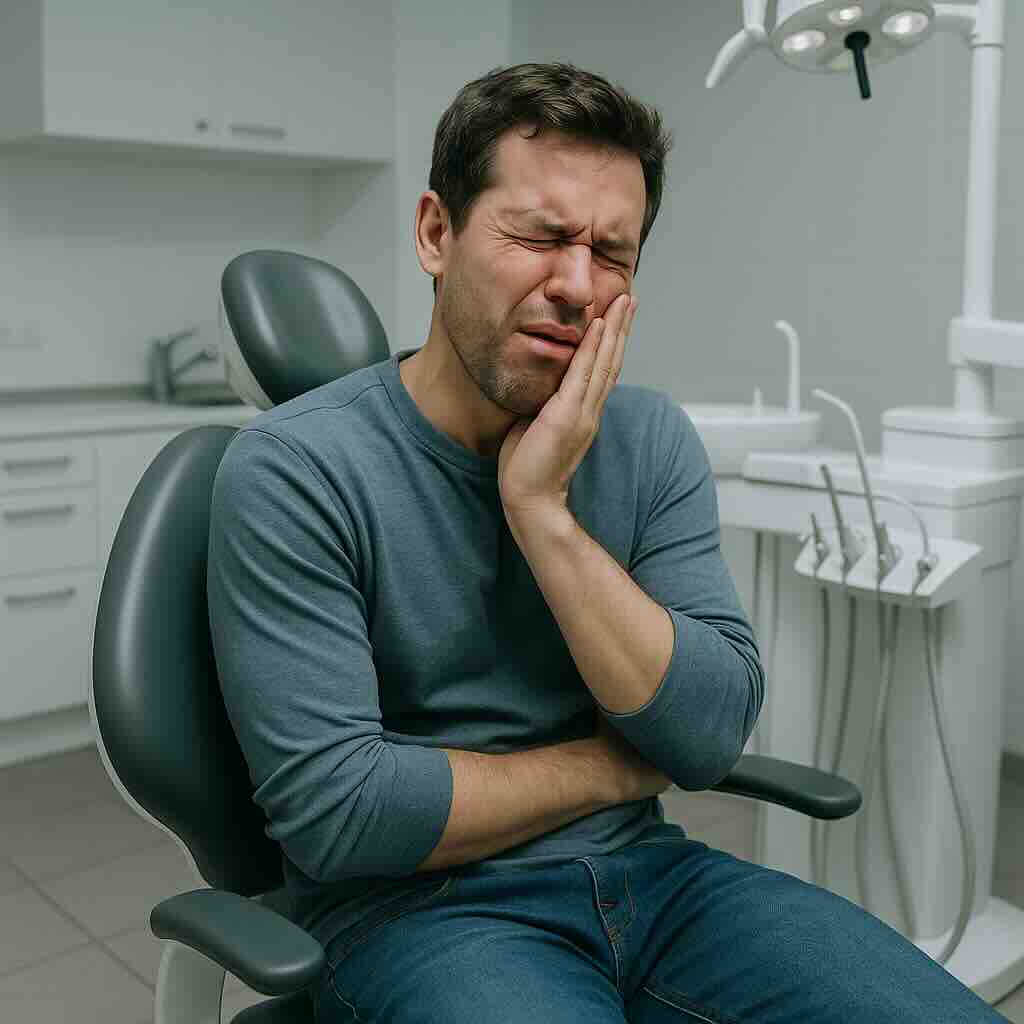
A true dental emergency has a way of shrinking your world fast. One minute you are answering emails, heading to a child’s game, or grabbing lunch near Legacy West. The next, you are holding your jaw, trying not to panic, and wondering how quickly someone can help. In those moments, same-day care is not a luxury. It is the difference between a manageable problem and a painful, expensive, disruptive one.
That is why access to an Emergency dentist Plano, TX matters so much. When a tooth breaks, an infection flares, or a crown comes off hours before an important meeting, timing changes the outcome. People often focus on the immediate relief, and that relief is important. But the value of same-day treatment goes further. It can preserve a tooth that might otherwise be lost, reduce the chance of swelling spreading, protect surrounding teeth, and spare you days of missed work, poor sleep, and needless worry.
Plano is a busy city with families, professionals, students, and retirees all moving on tight schedules. Dental emergencies do not wait for open calendar slots. They show up after hard bites, weekend sports, old fillings giving out, or pain that has been simmering quietly until it suddenly is not. In practice, the patients who do best are usually the ones who seek care early, even if they are not sure the issue is “serious enough.” That instinct, getting seen the same day instead of waiting it out, often prevents the sort of cascade that turns a repair into a root canal, or a root canal into an extraction.
Why speed matters more than most people realize
A lot of dental problems are progressive. They rarely stay frozen at the exact stage where they started. A cracked tooth can deepen with chewing. A cavity that reaches the nerve can change from intermittent sensitivity to severe throbbing. An infection that begins around one tooth can move into the gums or facial tissues. Even trauma that seems minor at first can evolve over the next several hours as inflammation builds.
Emergency dentist Plano, TX vitalitydentaldfw.comThat progression is the practical reason same-day care matters. Dentists are not simply trying to stop pain, though that is often the first priority. They are trying to interrupt the process before more structures are involved. In dentistry, hours can matter. Sometimes the benefit is preserving blood supply to a tooth after an injury. Sometimes it is cleaning and sealing a damaged area before bacteria get deeper access. Sometimes it is draining a swollen area before pressure and infection intensify overnight.
Patients are often surprised by how much can change in 24 to 48 hours. Someone may wake up with a mild ache, get through the workday, and assume they can wait until next week. By evening, the pain is stronger. By the next morning, there is swelling under the eye or along the jawline. At that point, the case is not just less comfortable. It may also be more complex to treat.
Pain relief is only the beginning
Most people think of emergency dentistry as pain management, and fairly so. Dental pain can be relentless. Unlike a sore muscle or a mild headache, tooth pain tends to pulse, radiate, and intrude on everything. It affects appetite, sleep, concentration, and mood. A person who has spent a night upright in bed with an ice pack does not need much convincing that urgent care has value.
Still, there is an important distinction between masking pain and treating its cause. Over-the-counter medication can dull symptoms for a few hours. It does not repair a fracture, reseat a crown, clean an infected canal, or relieve pressure from an abscess. Same-day treatment targets the underlying problem while the issue is still reasonably contained.
In many offices, that can mean taking diagnostic images right away, identifying whether the pain comes from decay, trauma, infection, gum issues, or a bite problem, then beginning treatment immediately if appropriate. That first visit may involve stabilizing the tooth, prescribing medication when indicated, adjusting the bite, placing a temporary restoration, draining an infection, or performing definitive treatment that same day. The specifics vary, but the broader benefit is consistent: you stop losing ground.
Saving the tooth is often a race against time
People understandably ask one question when they call with a dental emergency: “Can this tooth be saved?” The honest answer depends on the type of injury, the extent of decay or infection, the patient’s overall oral health, and how quickly treatment begins.
A knocked-out tooth is the clearest example. When handled properly and seen quickly, reimplantation may be possible. Wait too long, let the tooth dry out, or delay evaluation until the next day, and the odds drop sharply. The same time sensitivity applies, though less dramatically, to cracked teeth and teeth with deep decay. If a crack reaches the root or the split worsens under normal biting pressure, repair becomes much harder. If decay or infection destroys too much internal or external structure, there may not be enough healthy tooth left to restore predictably.
Same-day care improves the odds because it gives the dentist a chance to intervene before more tissue is lost. That might mean placing a protective temporary crown over a compromised tooth, starting endodontic treatment before the infection spreads, or bonding a fractured edge before it causes additional damage to the tongue, lip, or neighboring teeth.
There is also a quality-of-life piece to this that patients often appreciate only later. Saving a natural tooth is not just about sentiment. Natural teeth generally chew more efficiently, preserve bone better, and feel more familiar than replacements. Modern implants and bridges are excellent solutions when needed, but if prompt treatment can help keep the original tooth, that is usually worth pursuing.
Infections rarely improve through wishful thinking
One of the more dangerous assumptions in dentistry is that severe tooth pain will burn itself out and disappear. Sometimes the pain does lessen, but not for a good reason. In some cases, the nerve inside the tooth dies, which can reduce pain temporarily while the infection remains active. The absence of pain is not always a sign of healing.
Dental infections are not all equal. Some stay localized for a time. Others spread quickly and create facial swelling, fever, trouble swallowing, or difficulty opening the mouth. Those symptoms warrant urgent attention. Same-day treatment can be important not only for comfort but for safety.
A dentist who sees the problem promptly can determine whether the source is pulpal, periodontal, traumatic, or related to a failed restoration. Treatment may include draining the area, starting root canal therapy, extracting a non-restorable tooth, or prescribing antibiotics when they are actually indicated. That last point matters. Antibiotics are not a substitute for dental treatment. If the source of infection remains trapped in the tooth or surrounding tissues, medication alone usually will not solve it.
For parents, this is often where urgency becomes especially real. A child with a swollen face from a dental infection can deteriorate quickly from “it looks puffy” to “we need to be seen now.” Adults are not immune to that pattern either. Waiting until the next routine opening can be risky and, quite often, more costly in the end.
Same-day treatment can reduce total cost, not just immediate discomfort
It sounds backward at first. Many people delay urgent dental care because they are worried about cost. Yet one of the most practical benefits of same-day treatment is that it can keep a smaller problem from becoming a much more expensive one.
A simple example is a lost filling. If the tooth is seen quickly, a dentist may be able to place a new restoration before the unsupported enamel fractures or decay advances deeper. Leave that tooth open for weeks, chew on it normally, and there is a fair chance the repair gets bigger, more technique-sensitive, and more expensive. A similar pattern happens with broken crowns, loose bridges, and cracked cusps. Stabilize early, and the treatment is often more conservative.
The same principle applies to emergencies tied to gum and bone health. Trauma, infection, or untreated decay can lead to tissue loss that is hard to reverse. Once bone support is compromised, restoring function may require additional procedures and additional healing time. Prompt intervention is not always the cheapest visit on that day, but it is often the least expensive path overall.
There is another kind of cost people forget to count: lost time. Dental pain drains productivity. A person in significant pain does not work well, sleep well, or parent patiently. Same-day care can return several ordinary things that matter a lot, the ability to chew dinner, sleep through the night, speak comfortably, and show up to work without feeling distracted or irritable.
The emotional benefit is real, even if people do not always say it out loud
Dental emergencies create a very particular kind of stress. It Emergency dentist Plano, TX is physical, but it is also social and psychological. If the issue affects a front tooth, people may feel embarrassed to smile or speak. If there is swelling, they may worry others can see it. If pain escalates after office hours, the sense of helplessness can be intense.
Same-day treatment changes the emotional temperature of the whole experience. Patients usually feel better the moment a clear plan is in place. Even if definitive treatment requires more than one visit, knowing what is wrong and what happens next brings immediate relief. Uncertainty is often almost as distressing as the pain itself.
This is especially true for patients with a history of dental anxiety. Waiting several days while imagining worst-case scenarios can make the eventual visit much harder. When an office is equipped to evaluate and begin treatment promptly, that anxious buildup has less time to grow.
In Plano, where many residents juggle demanding work and family schedules, practical reassurance matters. A parent trying to arrange school pickup while a child has a broken tooth needs a timely answer. A professional with a visible chip before a client-facing event needs to know whether the appearance can be improved now, not next month. Same-day treatment respects the fact that oral health does not exist in a vacuum. It affects how people function in the rest of their lives.
Common emergencies where same-day care makes a measurable difference
Not every urgent dental problem looks dramatic. Some are obvious, like trauma from a fall or a sports injury. Others begin as “just sensitivity” and progress quickly. In a busy emergency practice, the same patterns show up again and again, and prompt treatment tends to help most in these situations:
- Severe toothache that interferes with sleep, eating, or normal concentration.
- Swelling of the gums, face, or jaw, especially when it is worsening.
- A cracked, broken, or knocked-out tooth after trauma or biting something hard.
- A lost filling, crown, or bridge that leaves a tooth exposed or painful.
- Bleeding, infection, or significant pain after a recent dental procedure.
That list is not exhaustive, and it is worth repeating that symptoms do not always match severity neatly. A small crack can hurt a great deal. A serious infection can sometimes hurt less than expected. When in doubt, calling for professional guidance is usually the smarter move than self-diagnosing.
What same-day treatment can look like in practice
People sometimes imagine an emergency dental visit as little more than an exam and a prescription. In reality, many offices can do much more during the first appointment, depending on the diagnosis and the patient’s condition.
A same-day visit often begins with targeted imaging and a clinical exam, then moves quickly into active treatment. If the tooth is restorable and the problem is straightforward, the dentist may complete the needed procedure on the spot. That might mean repairing a fracture with bonding, replacing a lost filling, adjusting a traumatic bite, opening and draining an abscess, beginning root canal therapy, or extracting a tooth that cannot be predictably saved.
In other cases, the first visit is about stabilization. Suppose a molar is cracked below an old, failing filling and the nerve is inflamed. The dentist may remove the compromised material, place a sedative or protective dressing, smooth the bite to reduce pressure, and schedule the final restoration after the acute pain settles or after further treatment. That still counts as a meaningful same-day benefit. The tooth is protected, symptoms are addressed, and the patient is no longer stuck in limbo.
Good emergency care also includes judgment about what not to do. There are times when swelling, limited opening, or the extent of infection makes it wiser to stage treatment rather than force everything into one appointment. Same-day care is valuable because it starts the right treatment at the right time, not because it tries to do everything at once regardless of conditions.
Why local access in Plano can make a difference
Location matters more than people expect during a dental emergency. A nearby office is easier to reach when you are in pain, managing a child with an injury, or trying to fit treatment into a workday. It also makes follow-up simpler. Some emergencies need reevaluation within days. A local practice can see how the tooth responds, adjust the plan, and keep continuity of care intact.
For residents seeking an Emergency dentist Plano, TX, convenience is not simply about saving driving time. It can affect whether treatment happens early enough to matter. If help feels difficult to access, people delay. If the office is close, responsive, and clear about urgent scheduling, they are more likely to come in while the problem is still salvageable.
Plano’s pace also shapes the kinds of emergencies that appear. Youth sports, active families, business lunches, commuting, and packed calendars all create opportunities for injuries, delayed routine care, and “I thought I could push through” situations. Same-day treatment meets that reality. It acknowledges that emergencies happen in the middle of real life, not in ideal circumstances.
What to do before you get to the office
The period between the incident and the dental visit matters. Good first-aid steps can improve comfort and, in some cases, the prognosis.
If a tooth is knocked out, hold it by the crown, not the root. If it is dirty, rinse it gently with water, do not scrub it, and try to keep it moist while you seek care. If there is swelling, a cold compress on the outside of the face can help reduce discomfort. If a crown or filling comes out, keep the piece if you can find it and avoid chewing on that side. If there is bleeding after trauma, steady pressure with clean gauze often helps.
Here are a few sensible steps that tend to help while you arrange same-day care:
- Call the dental office promptly and describe the symptoms clearly, including swelling, trauma, and pain level.
- Avoid aspirin directly on the gums or tooth, which can irritate soft tissue.
- Use a cold compress for facial swelling in short intervals.
- Stick to soft foods and avoid chewing on the injured side.
- Seek urgent medical attention immediately if breathing or swallowing becomes difficult.
Those measures are supportive, not definitive. Their purpose is to help you get from the emergency to the treatment chair with less risk and more comfort.
Same-day care is also about preserving routine
One of the quieter benefits of prompt emergency treatment is that it helps people return to normal faster. A dental crisis has ripple effects. Kids miss school. Parents miss work. Meals become awkward. Sleep gets disrupted, which then affects the following day. Even social interactions can feel strained when someone is trying not to show a broken front tooth or avoid speaking because of pain.
When treatment happens the same day, that disruption often shortens significantly. A temporary fix that stabilizes a tooth may be enough to get someone through an important presentation. Recementing a crown can restore normal function in a single visit. Draining an infection can transform a miserable night into a manageable recovery. These outcomes may sound ordinary, but for patients they are substantial. Health care is not only about clinical success. It is also about restoring a person’s ability to live normally.
Choosing action early is usually the better bet
There is a common hesitation that keeps people from calling. They worry they are overreacting. They tell themselves it is probably nothing, or that they should wait and see whether the pain fades. In my experience, that instinct is understandable and often unhelpful. Dentists would rather evaluate a problem early and find that it is minor than see the same patient three days later with swelling, deeper damage, or fewer options.
Same-day treatment from an emergency dentist is valuable not because every issue is catastrophic, but because dental problems tend to get less forgiving with time. Prompt care protects teeth, controls infection, reduces pain, limits disruption, and often lowers the total burden of treatment. For residents seeking an Emergency dentist Plano, TX, that combination of speed and judgment can make all the difference between a short detour and a much longer ordeal.
Vitality Dental
1220 Coit Rd # 106, Plano, TX 75075, United States
+1 972-645-4100
FAQ About Emergency dentist Plano, TX
Will the ER do anything for dental pain?
An emergency department can assess urgent symptoms and provide medical stabilization. Definitive treatment of the tooth usually requires a dentist. Seek emergency medical care for breathing or swallowing difficulty, uncontrolled bleeding, or serious facial injury.
What to do if I have a dental emergency in the middle of the night?
Contact a dentist or after-hours dental service promptly for guidance. If a permanent tooth is knocked out, keep it moist in milk while seeking immediate care. If symptoms suggest a medical emergency, go to an emergency department.
What qualifies as a dental emergency?
A knocked-out permanent tooth, severe or persistent tooth pain, a significant dental injury, or swelling may require urgent dental assessment. Call a dentist to describe the symptoms and determine timing. Uncontrolled bleeding or difficulty breathing or swallowing requires emergency medical care.