Sports Injuries and Dental Emergency Prevention Tips
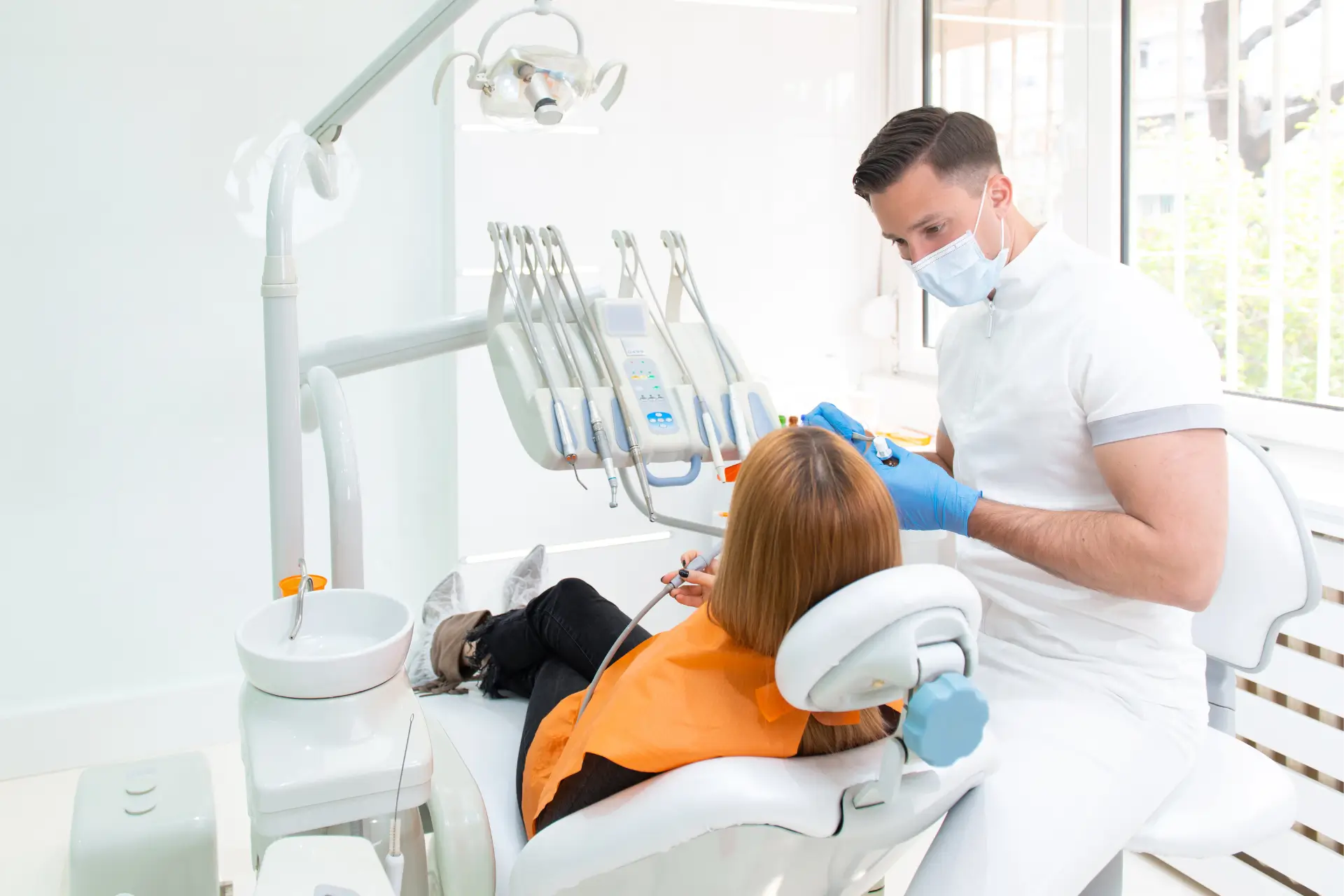
A split lip draws attention right away. A chipped tooth often does not. That mismatch is part of the problem in sports. Coaches, parents, and athletes usually react fast to bleeding, swelling, and obvious pain, but dental trauma can be deceptively quiet in the first few minutes. A tooth may be cracked below the gumline, loosened without looking dramatically out of place, or driven slightly into the socket after a collision. The athlete wants to finish the game, the coach wants a quick sideline decision, and everyone hopes it is minor. Sometimes it is. Sometimes that delay turns a manageable injury into a true Dental Emergency.
Sports dentistry sits at the intersection of prevention, fast assessment, and long term oral health. The same elbow to the mouth can create a lip laceration, fracture a front tooth, bruise the supporting bone, and damage a permanent tooth nerve all at once. I have seen athletes walk off thinking they only bit their lip, then wake up the next day with a darkening front tooth and significant sensitivity. I have also seen the opposite, a dramatic looking bloody mouth with very limited tooth damage. The point is not to make every impact feel catastrophic. It is to recognize that the mouth needs the same practical planning we already give knees, ankles, and concussions.
Why dental injuries in sports are so often underestimated
Most people have a mental map for common sports injuries. A rolled ankle gets ice, support, and a return-to-play decision. A shoulder collision gets range-of-motion testing and, if needed, imaging. Dental injuries are different because they involve hard tissue, soft tissue, and timing. Teeth are not bones in the usual orthopedic sense, and once a tooth is knocked out or fractured, the window for the best result can be short.
Another reason these injuries get missed is that adrenaline masks pain. During a match, a player may barely notice sensitivity or movement in a tooth. After the game, once the body settles, symptoms become clearer. In contact sports this happens often, but it is not limited to football, hockey, rugby, basketball, or martial arts. Baseball, softball, skateboarding, cycling, gymnastics, mountain biking, and even recreational pickleball can produce significant facial trauma. Any sport involving speed, hard surfaces, sticks, bats, boards, elbows, or falls carries some degree of risk.
Age matters too. Younger athletes often have incomplete judgment about reporting injuries. They may worry about being pulled from play. Parents sometimes focus on visible cuts and miss subtle dental signs. Adults are not immune either. Weekend athletes are a classic group for preventable dental injuries because they often skip mouthguards, assume their reflexes will protect them, and play with old restorations, crowns, or untreated grinding damage that make teeth more vulnerable.
The injuries that turn into a Dental Emergency
Not every chipped tooth is an emergency in the same way, but several sports injuries deserve immediate attention because the outcome changes with speed. A knocked out permanent tooth is the clearest example. Time out of the socket matters. So does handling. Touching the root, scrubbing the tooth, or leaving it dry sharply lowers the chance of saving it.
A tooth that has been displaced, meaning pushed sideways, driven inward, or partially extruded, also needs urgent care. These cases may not bleed much, yet they often involve damage to the periodontal ligament and the nerve inside the tooth. A major crown fracture with exposed inner tooth structure can cause pain, contamination, and later complications if left unattended. Jaw injuries deserve special caution as well. If the bite suddenly feels “off,” the mouth will not open normally, or there is numbness in the chin or lower lip, that is not something to watch casually.
Soft tissue injuries matter for another reason. A deep lip or cheek cut may Dental Emergency contain embedded tooth fragments. If a tooth broke during impact and part of it cannot be found, it may be in the mouth tissue, on the field, or aspirated. Good emergency care includes looking for the missing piece rather than assuming it vanished.
What good prevention actually looks like
Prevention is not a lecture about being careful. It is a system. The athletes and teams that handle dental injuries best are usually the ones that prepared before the season. They use properly fitted mouthguards, know who to call, and keep a basic dental trauma kit with the medical supplies instead of improvising in a panic.
The most effective preventive tool remains the mouthguard, but fit determines performance. A stock mouthguard bought at a sporting goods store offers some protection, though it is often bulky and unstable. Boil-and-bite options are better when shaped carefully, but many are underfit, overtrimmed, or chewed into uselessness. A custom mouthguard made by a dental professional costs more, but the difference in retention, speech, comfort, and impact distribution is significant. Athletes are far more likely to wear gear that fits. In real life, compliance matters as much as design.
Custom protection becomes even more valuable for players with braces, crowns, implants, veneers, or a history of dental trauma. Braces increase the risk of lip lacerations during impact. Existing dental work can change how force transfers through a tooth. An athlete who fractured a front tooth at age 12 may have a root canal or bonded restoration years later that still needs protection on the court or field at 22.
Mouthguards, helmets, and where people get the trade-offs wrong
There is a common assumption that a helmet solves the problem. Helmets are essential in many sports, but they are not a substitute for a mouthguard. A helmet protects the skull and can reduce some facial impact, depending on the sport and the design. It does not reliably prevent tooth-to-tooth collisions, direct blows under the face opening, or the jaw-jarring contact that cracks teeth.
Another trade-off involves breathing and communication. Athletes resist mouthguards when they feel bulky, trigger gagging, or make speech muddy. That complaint is not trivial. A guard that interferes with performance will end up in a pocket. The practical answer is not to dismiss the concern. It is to improve fit, thickness, and design. In high contact sports, you need enough material for protection. In sports with moderate risk, a lower profile custom design may improve wearability. The best preventive device is the one the athlete actually keeps in place during live play.
The final mistake is assuming that one mouthguard lasts forever. It does not. Growing children outgrow them. Heavy grinders wear through them. Heat deforms them. Dogs famously destroy them. A season check matters. I have seen athletes show up with mouthguards so warped they barely covered the front teeth, which defeats much of the purpose.
Signs a sports impact needs more than ice and a rinse
Some injuries are obvious. Others are not. Coaches and parents do not need to diagnose the exact dental condition on the sideline, but they should know when to escalate. These are the moments that deserve urgent dental contact or emergency evaluation:
- A permanent tooth is knocked out, loose, displaced, or suddenly feels longer or shorter than the matching tooth.
- A tooth fracture causes significant pain, visible yellow or pink inner tissue, or sharp edges that cut the tongue or lip.
- The athlete cannot bite together normally, cannot open fully, or reports jaw locking, numbness, or facial asymmetry.
- Bleeding from the mouth does not settle with pressure, or a deep lip or cheek wound may contain a tooth fragment.
- There is swelling, severe sensitivity to air or temperature, or a front tooth darkens after impact.
That list is short by design. On the sideline, simple rules work better than overthinking. If a tooth has moved, broken deeply, or disappeared, treat it seriously.
What to do in the first minutes after the injury
The first response should be calm and practical. Panic leads to preventable mistakes, especially with avulsed teeth. A player with blood in the mouth can look worse than they are, which is one reason adults sometimes freeze. Slow the scene down. Control bleeding. Check orientation, breathing, and any head injury concerns. Then focus on the mouth.
If a permanent tooth has been knocked out, pick it up by the crown, not the root. If it is visibly dirty, rinse it briefly with milk or saline, or clean water if nothing else is available. Do not scrub it. If the athlete is alert and cooperative, immediate reimplantation into the socket gives the best chance, but only if you can place it correctly and without force. If that is not realistic, keep the tooth moist in cold milk or a tooth preservation solution if one is available. Saliva can be used in a pinch, though it is not ideal. A dry tissue, a napkin, or a pocket is the wrong place.
For fractures, save any tooth pieces you find. Sometimes a fragment can be bonded back with excellent cosmetic results. For lip and cheek injuries, inspect carefully and consider that a “missing” fragment may be buried in soft tissue. If there is concern about concussion, jaw fracture, or airway compromise, emergency medical care takes priority over dental logistics.
The supplies worth keeping with the first aid kit
A dental trauma kit does not need to be elaborate, but it should be deliberate. Teams that prepare in advance handle these events with much less confusion.
- Sterile gauze, gloves, and saline for basic bleeding control and gentle rinsing.
- A tooth preservation container or, at minimum, access to cold milk nearby.
- A small clean container with a lid for tooth fragments or an avulsed tooth.
- The athlete’s emergency contacts, dentist information, and medical history, including braces or major dental work.
- A cold pack and a flashlight for inspection of the mouth and soft tissues.
That setup is inexpensive compared with the downstream cost of a lost front tooth. Dental trauma is one of those areas where a few simple items can materially change the result.
Youth sports need a different prevention strategy than adult leagues
Children and teenagers are not just smaller adults. Their mouths are changing. Primary teeth behave differently from permanent teeth, and coaches should not assume the same response applies. A baby tooth that is knocked out is generally not replanted because doing so can damage the developing permanent tooth underneath. That detail catches many families off guard. They do the right thing by acting fast, but they need age-specific advice.
Adolescents also have another challenge, orthodontic treatment. Braces increase oral injury risk during impact and complicate the fit of standard mouthguards. A proper orthodontic mouthguard should cover both braces and soft tissue adequately without being so loose that it shifts with every breath. If a bracket cuts the lip after a hit, orthodontic wax can help temporarily, but the athlete still needs follow-up when the force was significant.
Adult recreational sports come with a different set of issues. Existing crowns, implants, root-canaled teeth, and grinding wear can make impact outcomes less predictable. A 40-year-old cyclist who chips a heavily restored front tooth may not be dealing with a straightforward bonding repair. Treatment could involve a crown replacement, post damage, or root fracture that changes the plan entirely. Prevention in adults often means recognizing that “good enough” protection is not good enough when the mouth already has a history.
The hidden costs of ignoring a chipped or loosened tooth
A lot of athletes delay dental visits because the injury seems small. They can chew. The bleeding stopped. The tooth is only “a little” loose. This is exactly where problems grow.
A small enamel chip may be purely cosmetic, but once dentin is exposed, sensitivity rises and bacterial contamination becomes more likely. A loose tooth can tighten back up, but it can also die slowly over weeks or months if the blood supply was disrupted. A tooth that darkens after trauma may need only monitoring, or it may later require root canal treatment. The earlier that process is tracked with proper exams and imaging, the more controlled the outcome tends to be.
There is also the practical reality of cost. A prompt evaluation and a bonded repair are very different from late treatment involving root canal therapy, a crown, gum work, or replacement options such as an implant or bridge. Sports injuries are emotionally stressful because they happen suddenly, but the long tail is financial as well.
Return to play is not just about pain
Athletes often ask the wrong question first. They ask, “Can I play this weekend?” A better question is, “What risk am I taking if I do?” Return to play depends on the injury, the sport, and the protection available.
A smoothly polished minor chip may not keep a player out at all. A repositioned and splinted tooth is a different story, especially in contact sports. A jaw injury may require a strict break from impact even when the athlete feels functional. If custom protection can be modified quickly, a faster return may be possible, but that decision should be made with the treating dentist or oral surgeon, not guessed from pain level alone.
Pain is an unreliable guide after dental trauma. Some serious injuries hurt very little at first. Others are acutely painful but mechanically stable. The bite, mobility, pulp status, radiographic findings, and planned follow-up matter more than grit or tolerance.
Coaches and parents shape outcomes more than they realize
On paper, prevention sounds like an equipment issue. In practice, it is a culture issue. When coaches normalize mouthguard use the same way they normalize shin guards or helmets, compliance goes up. When parents replace damaged guards promptly instead of waiting until next month, kids stay protected. When schools and clubs know which local dentist can handle traumatic injuries after hours, decisions get easier under stress.
The best programs also rehearse responses. Not formally in a dramatic way, but enough that staff know what to do if a tooth is knocked out. Who has the emergency contacts? Where is the milk or preservation kit? Who will inspect the field for the missing fragment? Which urgent care should be bypassed in favor of a dentist or oral surgeon, and when does the injury clearly belong in an emergency department because of facial fracture or concussion concerns? A few minutes of preseason planning can save hours of confusion later.
Small habits that prevent big problems
Some of the strongest prevention is unglamorous. Do not chew on the mouthguard. Replace it when it warps. Avoid playing with a cracked custom guard because “it still mostly fits.” Get old restorations checked before contact seasons. If an athlete grinds heavily at night, mention that to the dentist when designing a sports guard. If braces have just been adjusted and the mouth is sore, be extra disciplined about protection because the lips and cheeks are more vulnerable.
Hydration even matters indirectly. A dry mouth is not the main cause of trauma, but it can make soft tissues more prone to irritation and can reduce comfort with a mouthguard, which lowers compliance. The same goes for fit issues. If a young athlete complains that the guard falls out when talking, listen. A poorly retained guard is a solvable problem, not an excuse to stop wearing one.
The goal is not fear, it is readiness
Sports carry risk. That is not a reason to avoid them, and it is not realistic to promise that every dental injury can be prevented. What can be prevented is the cascade of bad decisions that follows an otherwise manageable impact. The athlete who wears a well-fitted mouthguard, reports a hit honestly, and gets the right assessment quickly is in a far better position than the athlete who shrugs off a loose front tooth and waits to “see if it settles.”
Dental trauma rewards preparation more than improvisation. Know the warning signs. Keep the right supplies nearby. Treat displaced, broken, or missing teeth with urgency. Understand that a Dental Emergency in sports is often time-sensitive even when the athlete looks stable. Those habits do Dental Emergency not remove risk from competition, but they change the odds in a meaningful way, and that is what good prevention is supposed to do.
Vitality Dental
Address: 1220 Coit Rd #106, Plano, TX 75075
Phone number: +19726454100
FAQ About Dental Emergency
What can the ER do for a tooth?
An emergency room (ER) can manage pain and treat severe infections with medication, but it cannot fix or pull a tooth.
What is considered a dental emergency?
A dental emergency is any oral health problem that involves severe pain, uncontrollable bleeding, or an infection that threatens your health or requires immediate care to save a tooth.
Is there a 24-hour dental service in Plano, TX?
There is no physical dental clinic in Plano, Texas, that stays open with walk-in staff 24 hours a day, but several offices offer 24/7 phone support, late-night hours, or same-day emergency care.