How to Respond to a Tooth Emergency Before Reaching a Dentist in Plano, TX
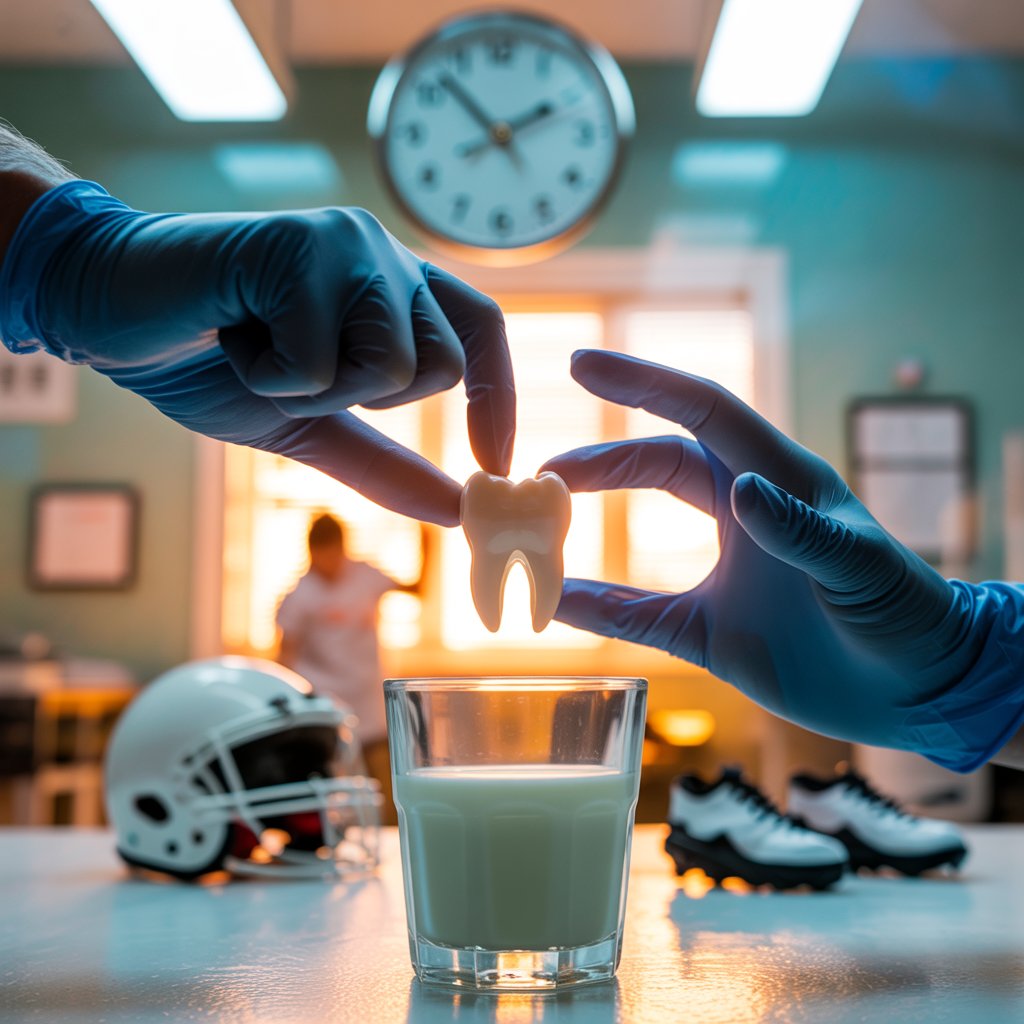
A tooth emergency rarely arrives at a convenient time. It starts with a sharp crack while eating lunch, a throbbing molar at midnight, or a child walking into the kitchen with a mouth full of blood and one front tooth in hand. In those first few minutes, people often do one of two things. They either panic and do too much, or they downplay the problem and wait too long.
Both reactions can make a bad situation worse.
The window between the injury and professional treatment matters. What you do at home, in your car, or on the way to the office can affect pain, swelling, bleeding, infection risk, and in some cases whether a tooth can be saved. If you are trying to reach an emergency dentist Plano, TX patients trust, the goal is simple: protect the tooth, protect the surrounding tissue, and avoid well-meaning mistakes.
Not every dental problem is a true emergency. A lost filling on a Sunday afternoon is not in the same category as uncontrolled bleeding, a knocked-out permanent tooth, or swelling that is starting to affect breathing or swallowing. Good judgment matters. So does speed.
First, decide how urgent it is
The most serious dental emergencies are the ones that involve trauma, active infection, heavy bleeding, or the risk of losing a tooth. If a person has trouble breathing, facial swelling that is spreading quickly, swelling under the tongue, confusion after an injury, or bleeding that does not slow down with pressure, stop thinking about routine dental scheduling. That crosses into immediate medical care.
For more typical urgent dental situations, it helps to think in terms of function. Can the person breathe normally? Swallow? Open and close the mouth? Is the pain manageable? Was a permanent tooth fully knocked out, or is it chipped but still seated? Is there swelling in the gums only, or swelling that is spreading into the cheek, jaw, or neck?
A simple rule I often share is this: severe pain, trauma, swelling, or a lost permanent tooth deserve same-day attention whenever possible. Delaying those cases can turn a salvageable problem into a root canal, an extraction, or a much more complicated repair.
What to do in the first 10 minutes
When people are distressed, the best first response is to slow down and control the scene. Have Emergency dentist Plano, TX the person sit upright if possible. Good light helps. So does a clean towel or gauze. Before touching the mouth, wash your hands.
Then focus on three things:
- Control bleeding with gentle pressure using clean gauze or a clean cloth.
- Rinse the mouth lightly with warm water to clear blood and debris.
- Look for the source of the problem without poking, scraping, or forcing anything.
That last point matters more than many people realize. I have seen otherwise calm adults turn a small crack into a larger fracture by repeatedly testing the tooth with their tongue or fingers. Children do the same. If something is loose, leave it alone unless a dentist or physician tells you otherwise.
Cold can help with swelling and pain, but the cold pack belongs on the face, not directly on the gums or tooth. Wrap it in cloth and use short intervals. Ten to fifteen minutes on, then off, is usually enough.
A knocked-out permanent tooth needs fast, careful handling
This is the dental emergency where minutes truly count.
If a permanent tooth is completely knocked out, pick it up by the crown, which is the chewing or visible part, not the root. The root surface contains delicate cells that help the tooth reattach. Scrubbing it, drying it out, or handling it roughly lowers the odds of success.
If Emergency dentist Plano, TX the tooth is dirty, rinse it gently for a few seconds with milk or saline if available. Clean water is acceptable if that is all you have, but do not soak or scrub it. If the person is alert and cooperative, and the tooth is clearly a permanent tooth, you may be able to place it back into the socket right away. Make sure it is facing the correct direction, then have the person bite gently on gauze to hold it in place.
If reinsertion is not possible, keep the tooth moist. Milk is usually the best practical option at home or on the road. Saline works too. Some people place the tooth inside the cheek, but that creates a choking risk, especially for children or anyone who is upset, injured, or nauseated. I do not recommend that in most real-life situations.
Baby teeth are different. Do not try to put a knocked-out baby tooth back in. That can injure the developing permanent tooth underneath. The child still needs prompt dental evaluation, but the response is not the same.
A family once described to me how they wrapped a knocked-out tooth in tissue and put it in a pocket for the drive. By the time they arrived, the tooth was dry, the tissue fibers were stuck to the root, and the prognosis had changed. That is a hard lesson, and a common one. Moisture and gentle handling make all the difference.
If a tooth is cracked, chipped, or partially broken
Not every broken tooth hurts right away. Some fractures expose dentin, which can cause temperature sensitivity. Others extend deeper and create sharp pain when biting. A large break may expose the nerve, and that often causes a deep, intense ache that builds fast.
Rinse the mouth gently with warm water and save any broken pieces if you can find them. Sometimes a fragment can help a dentist evaluate the injury, and in select cases it may be useful for temporary restoration. If there is bleeding from the gum or lip, apply gauze pressure. If the broken edge is sharp, orthodontic wax or sugar-free gum can sometimes cover it briefly to protect the tongue or cheek until you are seen. The key word is briefly. It is not a repair.
Avoid chewing on that side. Stick to soft foods and room-temperature drinks. If cold air or water triggers severe pain, that often suggests the inner tooth structure is exposed. Those cases should not wait several days.
A severe toothache is not “just a cavity”
People often use the phrase toothache casually, but true emergency-level dental pain tends to have a different quality. It can be throbbing, persistent, and hard to localize. It may wake you up. It may worsen when you lie down. Sometimes the tooth itself is only part of the story, and the real issue is infection or inflammation in the nerve.
Start with a warm water rinse and gentle flossing around the sore area. Food trapped between teeth can mimic more serious pain, especially around the back molars. Do not force the floss into swollen tissue. If there is obvious swelling inside the mouth or along the jawline, take that seriously.
Over-the-counter pain relievers can help if the person can safely take them. Follow the package directions and any physician guidance for medical conditions, pregnancy, blood thinners, kidney disease, stomach ulcers, or medication interactions. This is not the moment to improvise with extra doses because the pain feels “dental.” Too many people exceed safe limits in the middle of the night.
One old home remedy deserves to disappear for good: placing aspirin directly on the tooth or gum. It does not treat the source of the pain, and it can chemically burn the soft tissue. The same goes for alcohol rinses used as anesthesia, clove oil used too aggressively, and random topical products never meant for oral tissue.
Pain that comes with swelling, bad taste, pus, fever, or trouble opening the mouth points toward infection and calls for prompt professional care.
Swelling, abscesses, and why waiting can be risky
A dental abscess is not just a painful bump. It is a bacterial infection, and mouth infections can spread beyond the tooth and gum. Sometimes the earliest sign is a pimple-like area on the gum that drains and temporarily relieves pressure. People often mistake that temporary relief for improvement. It is not. The infection is still there.
Warm saltwater rinses can soothe irritated tissues, and cold compresses outside the face can help with swelling. What you should not do is press on the swelling, lance it with a needle, or try to drain it at home. That can push bacteria deeper, worsen the inflammation, and complicate treatment.
If swelling starts to change the shape of the face, spreads toward the eye, or extends under the jaw, time matters. If swallowing becomes painful or breathing feels different, seek urgent medical attention right away. Those are not symptoms to monitor until morning.
What to do if a filling, crown, or bridge comes loose
Lost dental work often feels less dramatic than trauma, but it can still become urgent, especially if the exposed tooth is painful or cracked. A crown that pops off during dinner may reveal a prepared tooth that is weak, sensitive, and easy to damage further.
If a crown comes off, keep it. Rinse it gently and place it in a clean container. Some people can temporarily reseat it with over-the-counter dental cement from a pharmacy, but only if it slips on easily and the tooth is not fractured. Never force it. Never use superglue. That sounds obvious until you have worked around enough emergencies to know it happens more often than anyone admits.
If a filling falls out, the exposed area may react strongly to cold, sweets, or air. Temporary dental material from a pharmacy can sometimes protect it for a short time. Chewing on the opposite side and avoiding sticky foods will help. This is still a repair delay, not a solution.
A bridge that becomes loose should generally be left alone unless it poses a choking risk. Tugging on it can damage supporting teeth.
When the problem is in the gums, lips, or tongue
Not every mouth emergency starts in a tooth. Bites to the lip or tongue bleed heavily because the tissue is so vascular, and the amount of blood can look alarming even when the injury is manageable. Rinse gently and apply clean gauze or a damp cloth with steady pressure. Ice wrapped in cloth can reduce swelling.
Most minor soft tissue cuts settle down with pressure. Deeper lacerations, wounds that gape open, cuts with debris in them, or injuries that continue bleeding after sustained pressure should be evaluated promptly. Facial trauma can hide additional damage. A split lip may be less urgent than the tooth that was pushed inward at the same moment.
Jaw pain after impact may mean more than a bruised tooth
After a fall, sports injury, or car accident, the obvious problem is not always the main problem. Teeth may feel “off” because the jaw took the force. If the bite suddenly does not line up, the mouth will not open normally, or there is significant pain in front of the ear or along the jaw, a fracture or dislocation becomes a concern.
Do not try to force the jaw into place. Support it gently, use cold compresses, and seek urgent care. If there has been head or neck trauma, treat that as the priority and follow medical emergency protocols.
What not to do before you get professional care
Most people mean well, but improvised fixes cause trouble. These are the mistakes I see repeated most often:
- Do not place aspirin, alcohol, or harsh chemicals on the gum.
- Do not scrub, dry, or wrap a knocked-out permanent tooth in tissue.
- Do not use glue meant for household repairs inside the mouth.
- Do not ignore swelling, fever, or a bad-tasting discharge.
- Do not wait several days if pain is severe or the bite has changed after trauma.
That list is short because it needs to be memorable. In a real emergency, people rarely remember ten instructions. They remember the one clear warning that keeps them from making the problem worse.
Managing pain on the way to the appointment
The trip to the dentist can feel much longer than it is, especially in traffic or during evening hours. A few practical moves make that time easier.
Stay upright rather than lying flat, particularly with throbbing pain or swelling. Pressure often worsens when the head is low. Keep the mouth as still as possible if trauma is involved. If a tooth is temperature-sensitive, avoid iced drinks and hot coffee during the drive. Choose lukewarm water instead.
For children, distress often comes as much from fear as from pain. A calm, direct explanation works better than vague reassurance. Saying, “Your tooth got hurt, we are keeping it safe, and the dentist is going to look at it soon,” is usually more effective than, “It’s fine,” when the child plainly knows it is not fine.
If bleeding restarts, replace the gauze and reapply pressure. If a knocked-out tooth is being transported in milk, make sure the container is secure and labeled so it does not get tossed aside in the rush to check in.
A Plano-specific reality: timing and logistics matter
In a place like Plano, families are often balancing work schedules, school pickups, evening sports, and traffic that can turn a short drive into a much longer one. That is one reason dental emergencies go sideways. People lose precious time deciding whether to wait until tomorrow, finish the event they are at, or search for the right office.
If you are looking for an emergency dentist Plano, TX residents can reach quickly, call first and describe the problem clearly. Say whether the tooth is knocked out, cracked, swollen, bleeding, or causing severe pain. Mention whether it is a child or adult, whether the injury involves a permanent tooth, and whether there is swelling or fever. Offices use that information to triage and tell you what to do during the drive.
Specific details help. “My son chipped his tooth” is less useful than “My 10-year-old fell 20 minutes ago, the front permanent tooth is cracked, the lip is swollen, and he says the tooth hurts when he breathes in.” One version sounds routine. The other tells the team to prepare for trauma.
A small home kit can save time and reduce damage
You do not need a dramatic emergency setup, but a few basic items are worth keeping in the house, in a sports bag, or in the car if your family spends weekends on the field. Clean gauze, a small container with a lid, saline, instant cold packs, and over-the-counter dental cement are all practical. So is knowing where the nearest urgent dental office is before you need it.
Parents of kids in soccer, basketball, baseball, or skate sports tend to learn this lesson first. Mouthguards prevent a great deal of trauma, but not all of it. The families who handle these situations best are usually not the calmest by nature. They are the ones who already know what matters in the first few minutes.
The line between urgent and truly emergent
Most dental emergencies need prompt dental care. A smaller number need emergency medical care first. That distinction can feel blurry in the moment, so here is the practical way to think about it.
If the problem is mainly pain, a broken tooth, a lost crown, or a knocked-out tooth with stable breathing and controlled bleeding, your target is urgent dental treatment. If the problem includes trouble breathing, trouble swallowing, rapidly spreading swelling, major facial trauma, uncontrolled bleeding, or altered awareness after an injury, go to emergency medical care first.
That is not overreaction. Dental infections and facial injuries can become medical emergencies.
The biggest advantage is acting early
There is a noticeable difference between the patients who call right away and the ones who “waited to see.” Early callers often arrive with a tooth stored properly, bleeding controlled, and a clear description of what happened. Late arrivers often come in after the tooth dried out, the swelling doubled, the temporary ache became severe pain, or a manageable crack became a split tooth after another meal on that side.
That difference shapes treatment. A promptly handled avulsed tooth may be replanted. A delayed one may not be. A cracked crown may be stabilized before the tooth fractures further. An abscess may be treated before the face swells significantly.
The first aid part of a tooth emergency is not glamorous. It is usually just gauze, a phone call, a calm rinse, and the discipline not to make the injury worse. But those simple actions matter. They buy time, preserve options, and make the next step, getting the right professional care, far more effective.
Vitality Dental
1220 Coit Rd # 106, Plano, TX 75075, United States
+1 972-645-4100
FAQ About Emergency dentist Plano, TX
Will the ER do anything for dental pain?
An emergency department can assess urgent symptoms and provide medical stabilization. Definitive treatment of the tooth usually requires a dentist. Seek emergency medical care for breathing or swallowing difficulty, uncontrolled bleeding, or serious facial injury.
What to do if I have a dental emergency in the middle of the night?
Contact a dentist or after-hours dental service promptly for guidance. If a permanent tooth is knocked out, keep it moist in milk while seeking immediate care. If symptoms suggest a medical emergency, go to an emergency department.
What qualifies as a dental emergency?
A knocked-out permanent tooth, severe or persistent tooth pain, a significant dental injury, or swelling may require urgent dental assessment. Call a dentist to describe the symptoms and determine timing. Uncontrolled bleeding or difficulty breathing or swallowing requires emergency medical care.