How Dentists Treat a Sudden Dental Emergency
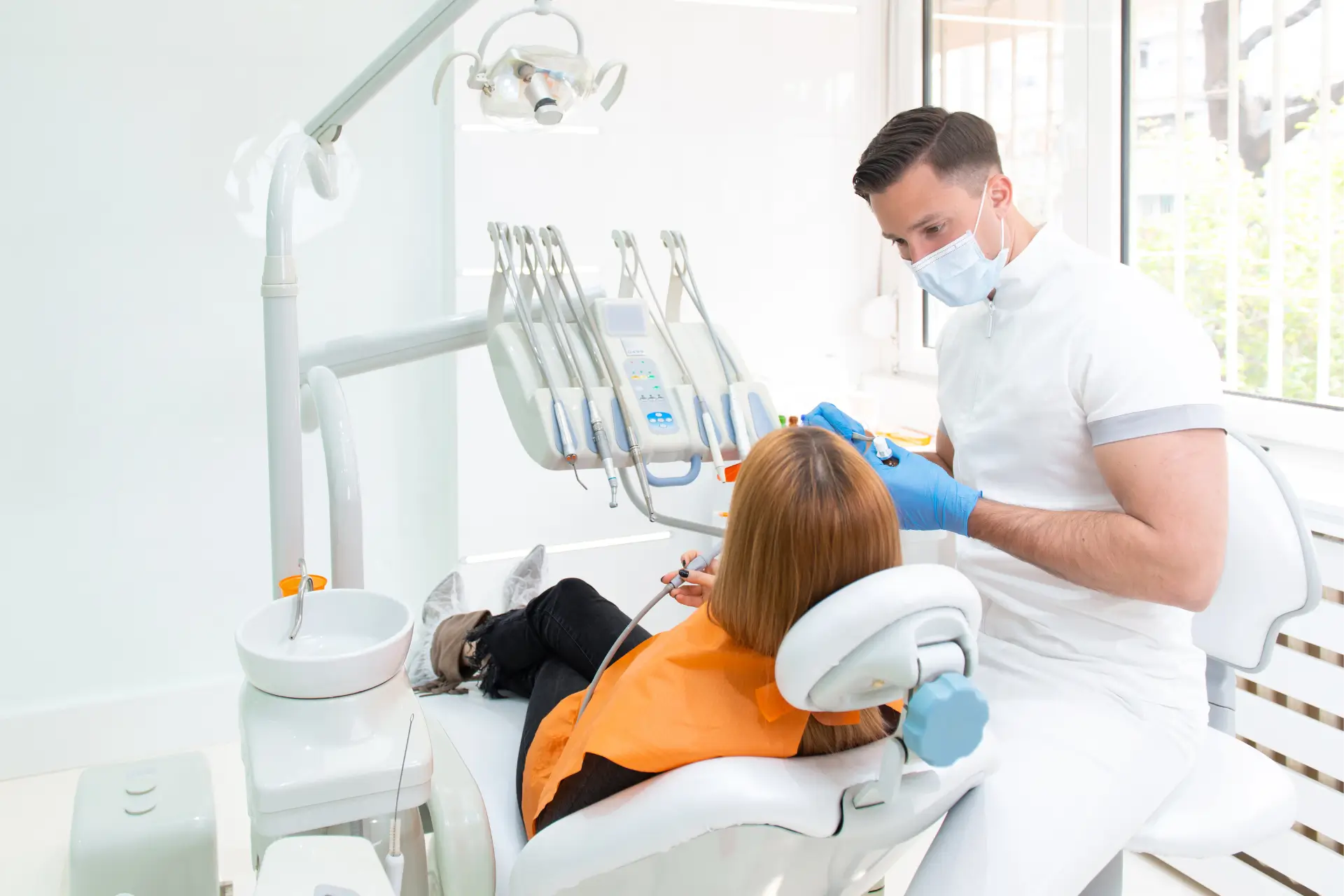
A sudden dental emergency rarely arrives at a convenient time. It happens during dinner, in the middle of a workday, on a weekend sports field, or just before a flight. One minute everything feels ordinary, the next there is blood in the sink, a tooth in your hand, or a pulse of pain strong enough to make it hard to think clearly.
From the dentist’s side of the chair, emergencies follow a familiar pattern, even when each case feels chaotic to the patient. The first job is not to deliver a perfect long-term fix on the spot. It is to control pain, stop active damage, protect the tooth or surrounding tissue if possible, and stabilize the situation safely. After that comes diagnosis, then a plan that fits the tooth, the timing, the patient’s health, and what can realistically be done that day.
That sequence matters. People often imagine emergency dental care as a single dramatic procedure. In reality, it is usually a series of decisions made quickly but carefully. A cracked molar, an abscess, a knocked-out front tooth, and a broken filling may all be called a dental emergency, but they are not treated the same way. The urgency, the risks, and the chances of saving the tooth differ considerably.
What makes something a true dental emergency
Not every dental problem is an emergency, but many are more urgent than patients realize. Severe pain that keeps building, swelling in the gums or face, bleeding that does not slow down, trauma to the teeth or jaw, and a tooth that has been knocked loose or completely out all deserve same-day attention. So does a lost crown or broken tooth when a sharp edge is cutting the tongue or cheek, or when the exposed tooth becomes intensely sensitive.
Dentists also pay close attention to symptoms that suggest infection is spreading. Facial swelling, fever, a bad taste with pus, trouble opening the mouth, and pain when swallowing can move a situation from uncomfortable to medically concerning. Dental infections do not always stay local. Most remain manageable when treated promptly, but waiting can turn a relatively straightforward appointment into a more serious problem.
There is also the less obvious emergency, the patient who says, “It only hurts when I bite, but it suddenly hurts a lot.” That can point to a cracked tooth, a severe cavity into the nerve, or a brewing infection under a tooth that previously seemed stable. The outside may not look dramatic, yet the internal damage can be significant.
The first few minutes in the office
When someone calls with a dental emergency, the clinical process often starts before they walk through the door. Front desk staff or a dental assistant will usually ask focused questions. Where is the pain? Is there swelling? Was there an injury? Is the tooth broken, loose, or missing? Is there fever? Are they taking blood thinners? Have they had recent dental work? These questions are not just administrative. They help the office judge urgency, reserve time, and prepare the room and equipment.
Once the patient arrives, the initial exam tends to move faster than a routine visit but it is not rushed. The dentist wants a short, useful history first. When did the pain start, and what makes it worse? Cold, heat, chewing, sweets, pressure, lying down? Has the pain become spontaneous or constant? In trauma cases, the key details include how the injury happened, how long ago, and whether the tooth was stored properly if it came out completely.
The examination itself is targeted. The dentist looks for visible fractures, mobility, swelling, bleeding, gum injury, and signs of infection. They may tap the tooth gently, test the response to cold, check the bite, and inspect surrounding soft tissue. X-rays are often essential because many emergencies are not fully visible above the gumline. A small crack can extend deep into the tooth. An abscess may show bone changes at the root tip. A traumatized tooth may have a root fracture or displacement that changes the treatment plan entirely.
At this stage, the dentist is answering three questions. What exactly is wrong? What must be done today? What can safely wait for a definitive appointment?
Pain relief comes before perfection
Patients often arrive expecting the tooth to be “fixed” immediately and permanently. Sometimes that happens. More often, emergency care is about fast relief and damage control. A painful tooth with inflamed nerve tissue may need the pressure inside the tooth reduced that same day. An abscess may need drainage. A sharp fracture may need smoothing and a temporary seal. A dislodged crown may be re-cemented as a short-term measure if the underlying tooth is still suitable.
This is not half-measure dentistry. It is good emergency management. Teeth and surrounding tissues behave differently when they are acutely inflamed or infected. Numbing can be more difficult in hot, painful teeth. Bleeding may obscure visibility. Swollen tissue is more fragile. In some cases, the smartest choice is to relieve pain now and complete the full restorative work after the area has settled and proper planning can be done.
Local anesthetic is central to this phase. Dentists choose anesthetic techniques based on the tooth involved, the degree of inflammation, and the anatomy of the area. A lower molar with severe irreversible pulpitis, which is the classic “hot tooth,” may require more than one injection approach because inflamed tissue can resist anesthesia. Patients sometimes mistake that for poor technique when it is actually a known clinical challenge. An experienced dentist anticipates it and adjusts.
How dentists handle the most common emergencies
A true dental emergency can take many forms, but several scenarios come up repeatedly in practice.
Severe toothache from decay or nerve inflammation
This is among the most common urgent visits. The pain may be sharp, throbbing, or constant. It may wake the patient at night or make it impossible to chew on one side. Usually the underlying issue is deep decay, a leaking old filling, a crack, or trauma that has reached the pulp, the living tissue inside the tooth.
After confirming the source, the dentist’s same-day treatment often falls into one of three paths: remove decay and place a temporary or permanent restoration if the nerve is not irreversibly damaged, begin root canal treatment if the tooth can be saved but the pulp is infected or dying, or extract the tooth if it is not restorable or the patient chooses removal. Which route makes sense depends on remaining tooth structure, infection pattern, Dental Emergency cost, timing, and prognosis.
Swelling and dental abscess
An abscess is treated with more urgency because pain is only part of the problem. Pressure from infection can spread into surrounding tissues, and facial swelling can worsen quickly in some cases. Dentists look carefully at whether the swelling is localized and drainable, or diffuse and potentially dangerous.
Treatment often includes opening the tooth or tissue to allow drainage, cleaning the source of infection, and deciding whether the tooth should receive root canal treatment or extraction. Antibiotics may be prescribed when there is swelling, spreading infection, fever, or involvement beyond the tooth itself. They are not a substitute for removing the source. That point matters. Patients sometimes expect a prescription to solve the problem, but antibiotics alone rarely fix a tooth infection for long.
Broken, chipped, or cracked teeth
Not all fractures are equal. A tiny chip in the enamel can often be smoothed or bonded with minimal treatment. A larger break that exposes dentin, the layer under the enamel, can be very sensitive and needs coverage to protect the tooth. If the break reaches the pulp, emergency root canal treatment or extraction may be necessary.
Cracks are trickier. Some are superficial and manageable with a filling or crown. Others run vertically into the root, which can make the tooth unsalvageable. Diagnosis is often based on symptoms, bite testing, magnification, and X-rays, though some cracks are still difficult to see directly. One of the hardest conversations in emergency dentistry happens when a tooth looks ordinary on the surface but symptoms strongly suggest a deep fracture with a guarded outlook.
Lost fillings, crowns, and bridges
These situations can range from nuisance to urgent problem. If the tooth underneath is not painful and no major structure is missing, the office may place a temporary covering or re-cement the crown if it still fits well. If decay is found under the old restoration, the plan changes. The dentist may need to clean the tooth, rebuild it, and fabricate a new crown rather than simply put the old one back.
A crown that repeatedly falls off is rarely just “bad cement.” Often the tooth underneath has changed, decayed, fractured, or lost enough retention that a more thorough repair is necessary.
Knocked-out or displaced teeth after trauma
This is one of the few situations in dentistry where minutes truly matter. A permanent tooth that has been completely knocked out has the best chance of survival if it is replanted quickly, ideally within 30 minutes, though treatment is still worth attempting later in many cases. The tooth should be handled by the crown, not the root, and if dirty, rinsed gently with saline or milk rather than scrubbed.
When the patient arrives, the dentist checks for other injuries first, then assesses the socket, the tooth, and nearby bone. If conditions allow, the tooth is repositioned into the socket and splinted to neighboring teeth. Follow-up care is critical because the initial replantation is only the Dental Emergency beginning. Some of these teeth later need root canal treatment, and the long-term outcome depends on root surface damage, time out of the mouth, and the patient’s age.
For children, the distinction between permanent and baby teeth is crucial. A knocked-out baby tooth is generally not replanted because doing so can harm the developing adult tooth underneath.
What treatment may look like on the same day
People are often surprised by how practical emergency dentistry is. The appointment may be focused and even conservative, but every step serves a purpose.
A same-day emergency visit commonly includes:
- Diagnosis with an exam and X-rays
- Local anesthesia to control pain
- Immediate treatment to stabilize the tooth or infection
- Medication guidance, which may include antibiotics when clinically indicated
- A follow-up plan for definitive care
That definitive care may happen later the same day, within a few days, or over several visits. For example, a painful upper premolar might be opened to relieve pressure and started on root canal treatment, then completed at a later appointment when the tooth is calm and dry enough for proper sealing. A fractured molar may receive a temporary buildup first, with a crown planned after the dentist can judge whether the crack is stable.
When extraction becomes the right emergency treatment
Many patients fear that an emergency visit automatically ends with losing the tooth. Dentists generally prefer to save natural teeth when the prognosis is sound, but there are times when extraction is the most appropriate treatment. That decision is usually based on structural reality, not convenience.
A tooth may need removal if the decay extends too far below the gumline, if a vertical root fracture is present, if severe periodontal disease has left the tooth too loose to function, or if the crack pattern makes successful restoration unlikely. Cost and access to follow-up care also play a role. A tooth that might theoretically be saved with complex treatment is not always a practical rescue if the patient cannot complete the needed steps.
This is where professional judgment matters. Saving a tooth at all costs is not always the best care. A heroic short-term procedure on a tooth with poor long-term odds can leave a patient in repeated pain, with repeated bills, and still facing extraction later. The honest conversation is often the most valuable part of the emergency appointment.
The role of antibiotics, and the misunderstandings around them
Antibiotics are useful in some dental emergencies, but they are often misunderstood. They help when infection is spreading into soft tissue, when there is significant swelling, fever, or systemic involvement, or when drainage cannot be fully achieved right away. They are not a direct painkiller, and they do not remove the infected pulp, the dead tissue, or the decayed tooth structure causing the problem.
A patient with severe tooth pain but no swelling may leave with no antibiotic at all, and that can still be correct treatment. If the pain comes from inflammation inside the tooth rather than a spreading infection, the proper answer is usually dental treatment, not medication. Prescribing antibiotics “just in case” is poor practice and contributes to resistance as well as false reassurance.
Pain management is handled separately. Dentists consider medical history, allergies, stomach issues, kidney disease, blood pressure, and other medications before recommending anything. For many healthy adults, combinations of over-the-counter pain relievers can be effective, but advice must be individualized. That is one reason emergency dental triage asks so many health questions.
Why some emergencies need referral
Not every office can provide every emergency procedure on the spot. A general dentist may manage most urgent problems, but some cases are better referred to an endodontist, oral surgeon, pediatric dentist, or hospital setting. Complex facial swelling, suspected jaw fracture, severe trauma with multiple avulsed teeth, uncontrolled bleeding, deep sedation needs, and medically fragile patients can all change where treatment should happen.
Referral is not a sign that nothing was done. Often the general dentist still provides immediate pain control, temporary stabilization, or medication guidance before sending the patient to the right specialist. Good emergency care includes knowing when another pair of hands offers a safer or more predictable outcome.
What patients can do before they get to the chair
The gap between the injury and the appointment can influence the result. While the office is preparing to see the patient, the advice given over the phone can protect tissue and reduce complications.
For a person dealing with a possible dental emergency, the most helpful immediate actions are:
- Control bleeding with clean gauze and gentle pressure
- Use a cold compress on the outside of the face for swelling
- Keep a knocked-out permanent tooth moist, ideally in milk or saline
- Avoid placing aspirin directly on the gums or tooth
- Call a dentist promptly rather than waiting overnight to “see if it settles”
That last point is easy to underestimate. Quite a few emergencies become more complicated because pain is ignored for a day or two. A small fracture absorbs more stress. A localized infection spreads. A salvageable tooth dries out. Time does not improve most acute dental injuries.
After the emergency visit, what happens next
Once the immediate problem is under control, the second phase begins. This is where the emergency treatment is tested. Did the pain settle as expected? Is swelling decreasing? Is the temporary restoration holding? Has the tooth remained stable after trauma? Does the bite still feel even, or is there a hidden crack causing ongoing discomfort?
Follow-up matters because emergency treatment is often intentionally staged. A temporary filling can only do so much. A splint placed after trauma needs monitoring and later removal. A tooth that was opened for drainage must still be definitively treated or extracted. Patients occasionally mistake relief for resolution and do not return. That is how a controlled emergency becomes a recurring problem.
Dentists also use follow-up appointments to reassess prognosis with better information. A traumatized tooth may look promising on day one and show nerve death months later. A cracked tooth may remain symptom-free after a temporary crown, suggesting it is worth restoring, or continue hurting on release, pointing to a deeper split. Emergency care is rarely the whole story.
What experienced dentists watch for that patients often miss
Patients naturally focus on pain. Dentists focus on patterns. A tooth that hurts to cold for 20 seconds after the stimulus ends tells a different story than one that only gives a quick zing. Swelling high in the vestibule, the space between lip and gum, suggests a different drainage pathway than swelling around the gumline. A crown on a tooth that suddenly becomes tender after years of silence raises suspicion for fracture or root failure rather than “just sensitivity.”
There are also clues outside the tooth itself. Swollen lymph nodes, difficulty sleeping flat, foul drainage, and tenderness to biting on one cusp all narrow the diagnosis. Even the patient’s wording helps. “It hurts when I let go after biting” often signals a crack. “It throbs by itself and wakes me up” often points to irreversible pulp inflammation. “The whole side of my face feels bigger than this morning” elevates urgency immediately.
This pattern recognition is why a proper emergency exam matters more than a home remedy or a quick prescription. Dental pain can refer, meaning the patient points to one area while the culprit is another tooth entirely. Treating the wrong tooth because the pain feels diffuse is a real risk if diagnosis is rushed.
The emotional side of emergency dentistry
Pain changes people. Even calm patients can arrive shaken, embarrassed, or frightened. Someone with a front tooth knocked out may be worried about appearance as much as pain. A parent bringing in a child after a fall is usually carrying more anxiety than the child. A person with swelling may fear a serious infection, sometimes with good reason.
A strong emergency dentist does more than perform procedures. They explain what is happening in plain language, set expectations honestly, and avoid promising certainty where none exists. That is especially important in trauma and cracked-tooth cases, where the final outcome can take time to declare itself. Patients usually handle uncertainty better when they understand why it exists.
The practical side of communication matters too. Telling a patient, “This treatment should relieve the pressure tonight, but the tooth still needs root canal therapy and a crown,” prevents the common misunderstanding that the problem is finished. Clear instructions about numbness, chewing, bleeding, swelling, and when to call back are part of treatment, not an afterthought.
Why prompt care makes such a difference
Most dental emergencies are treatable, and many teeth can be saved when patients seek care quickly. The gap between a manageable problem and a major one is often shorter than people expect. A cavity that has quietly deepened over months can become a 2 a.m. Emergency in one night. A blow to the mouth that seems minor can lead to a dead tooth weeks later if never evaluated. A crown that comes off painlessly can expose a vulnerable tooth to fracture if it is left unprotected.
Dentists treat sudden emergencies by moving in a disciplined order: assess, diagnose, numb, stabilize, and plan. Sometimes that means a quick repair. Sometimes it means drainage, root canal access, splinting, or extraction. Sometimes it means admitting that the tooth can be saved only with specialist care, or that it cannot be saved at all. The common thread is not drama, it is judgment.
When that judgment is paired with prompt action, even a frightening Dental Emergency usually becomes far more manageable than it felt in the first moment.
Vitality Dental
Address: 1220 Coit Rd #106, Plano, TX 75075
Phone number: +19726454100
FAQ About Dental Emergency
What can the ER do for a tooth?
An emergency room (ER) can manage pain and treat severe infections with medication, but it cannot fix or pull a tooth.
What is considered a dental emergency?
A dental emergency is any oral health problem that involves severe pain, uncontrollable bleeding, or an infection that threatens your health or requires immediate care to save a tooth.
Is there a 24-hour dental service in Plano, TX?
There is no physical dental clinic in Plano, Texas, that stays open with walk-in staff 24 hours a day, but several offices offer 24/7 phone support, late-night hours, or same-day emergency care.