Dental Emergency Services: What Patients Should Expect
A dental emergency rarely arrives at a convenient hour. It tends to happen during dinner, at a child’s weekend game, on the way to work, or halfway through a vacation. One minute you are fine, the next you are holding your jaw, tasting blood, or trying not to panic over a cracked front tooth. In those moments, most patients want the same three things: pain relief, clear answers, and a sense that someone can take control of the situation quickly.
That is exactly what emergency dental services are meant to provide. Still, many people are unsure what counts as a true dental emergency, what will happen when they call, whether they need a hospital instead of a dental office, and how much treatment can realistically be done the same day. Those uncertainties can make an already stressful situation feel worse.
The good news is that most dental emergencies are manageable when patients act promptly. The first visit is often less mysterious than people expect. A dentist’s main job in an urgent setting is to diagnose the problem, control pain, reduce infection risk, and stabilize the tooth or surrounding tissues. Sometimes that means definitive treatment right away. Sometimes it means a temporary fix and a follow-up plan once swelling, bleeding, or scheduling allows for more complete care.
What actually counts as a dental emergency
Not every dental problem is urgent, but a surprising number are time-sensitive. Severe tooth pain, swelling, trauma, uncontrolled bleeding, and broken teeth usually deserve prompt professional attention. A lost filling may not sound dramatic, yet if the exposed area causes sharp pain or leaves the tooth vulnerable to fracture, it can quickly become more serious. A knocked-out permanent tooth is one of the clearest examples of a true emergency because timing can affect whether the tooth can be saved.
Patients often underestimate infections. A toothache that kept you up all night is not something to “wait out” for a week. Dental pain has a way of escalating, and infections in the mouth can spread into nearby tissues. Facial swelling, gum abscesses, a bad taste from drainage, fever, and pain when biting should all be taken seriously.
On the other hand, a minor chip with no pain, a dull ache that comes and goes, or a loose baby tooth in a child may not require an immediate same-hour response. That said, there is value in calling anyway. An experienced front desk team can usually help separate urgent from non-urgent concerns based on symptoms, age, medical history, and the apparent cause of the problem.
The first phone call sets the pace
Emergency care often starts before you enter the office. When patients call, the conversation is usually brief but purposeful. The team will want to know what happened, when it started, whether there is swelling or bleeding, how intense the pain is, and whether there was an injury to the face or head. If a tooth has been knocked out or partially dislodged, they may give very specific instructions for handling it during transport.
This call also helps the office decide how quickly you need to be seen. Some emergencies should be seen immediately, especially trauma, significant swelling, or heavy bleeding. Others may be scheduled the same day or the next available urgent slot. Good emergency services do not simply say, “Come in if you can.” They triage. That matters because a patient with a spreading infection and trouble swallowing does not belong in the same category as a patient with a missing crown and mild sensitivity.
You may be asked about medications, allergies, pregnancy, heart conditions, blood thinners, or recent surgeries. Patients sometimes wonder why a dental office asks these questions when the problem is “just a tooth.” The answer is practical. These details affect anesthesia choices, bleeding risk, antibiotic decisions, and whether the safest next step is dental treatment or referral to a hospital.
When the emergency room is the better first stop
Dental offices handle a wide range of urgent problems, but some situations cross into medical emergency territory. If breathing is affected, swelling is rapidly spreading into the jaw or neck, there is high fever, severe trauma, loss of consciousness, or a suspected jaw fracture, a hospital emergency department may be the safer place to start.
Here are the clearest warning signs that justify going to the emergency room first:
- Trouble breathing or swallowing
- Rapidly increasing facial or neck swelling
- Uncontrolled bleeding that does not slow with pressure
- Significant facial trauma, especially after a fall, collision, or accident
- Fever with severe dental swelling, weakness, or confusion
Patients are sometimes disappointed to hear this because they assume the dental office can “just pull the tooth.” In reality, once an infection threatens the airway or trauma involves more than the teeth, the priorities shift. Airway management, imaging, intravenous medication, and medical monitoring may be needed before dental treatment can safely happen.
What happens when you arrive
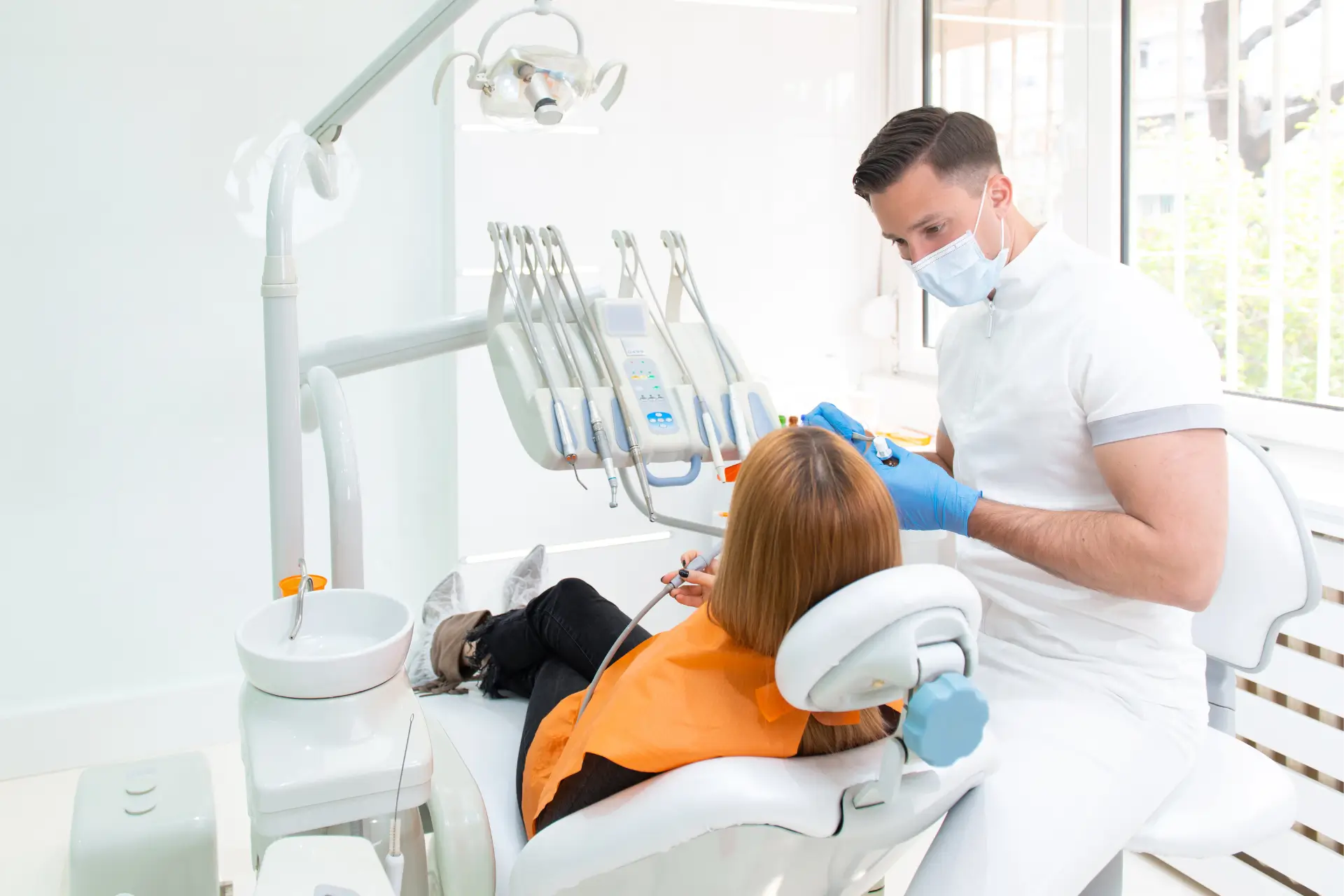
Emergency visits are usually more focused than routine dental appointments. You are not there for a cleaning, a long cosmetic discussion, or a full treatment plan unless the situation naturally leads there. The team’s first aim is to assess stability and identify the source of the problem as quickly as possible.
Expect paperwork, even if the office is trying to move fast. Consent forms, insurance information, and a medical history update are standard because the dentist must know what they can safely do. If you are in visible distress, staff may shorten the process, but some documentation is unavoidable.
The clinical exam is often targeted. The dentist may check the painful tooth, tap several teeth, test temperature sensitivity, examine the gums, assess bite pressure, and look for mobility or cracks. If trauma is involved, they will likely inspect the lips, cheeks, tongue, and jaw as well. In children, they also have to consider whether baby teeth, permanent teeth, or both are involved, which changes the treatment approach.
X-rays are common in emergency care because pain alone does not always reveal the cause. A patient may swear the upper molar is the issue, only to learn the lower tooth is referring pain upward. A crack can hide beneath the gumline. An abscess can form near the root without an obvious surface defect. Imaging helps the dentist avoid guesswork.
Why diagnosis matters more than a quick fix
One of the biggest misunderstandings around Dental Emergency care is the belief that treatment should always happen immediately and completely. Patients in pain understandably want the problem gone within the hour. Sometimes that happens. A severely decayed tooth may be extracted the same day. A lost filling may be replaced. A dislodged crown may be recemented if the tooth underneath is stable. But not every case allows for a final solution on the spot.
If the face is swollen, the mouth barely opens, or the tooth is too difficult to numb because of active infection, the first goal may be stabilization. That can include draining an abscess, prescribing medication when indicated, adjusting the bite, placing a temporary dressing, or scheduling definitive care once conditions improve. This is not a lesser form of care. It is often the most clinically sound decision.
I have seen patients come in expecting a root canal and leave with a temporary sedative filling and a next-day specialist referral, then later say that the brief first step gave more relief than they thought possible. The body does not always cooperate with a textbook timeline. Good emergency dentistry is partly about speed and partly about judgment.
Common emergencies and what treatment may look like
Severe toothaches are among the most common reasons people seek urgent help. The cause may be deep decay, a dying nerve, a cracked tooth, gum infection, or pressure from grinding. Treatment depends on the source. A cavity near the nerve might require a filling if caught early, but once the pulp is inflamed or infected, root canal therapy or extraction becomes more likely. If pain comes from a cracked cusp, smoothing sharp edges and placing a temporary restoration may buy time until a crown can be placed.
A broken or chipped tooth can range from a minor cosmetic issue to a true emergency exposing the nerve. Front teeth often carry emotional weight because appearance is part of the injury. If the break is clean and the fragment is available, bonding or reattachment may be possible. Larger fractures may need temporary coverage, then more definitive restoration later.
Knocked-out teeth create a narrow window where quick action matters. A permanent tooth has a better chance of being replanted if it is handled properly and the patient gets care fast. The tooth should be held by the crown, not the root, and kept moist. Baby teeth, however, are generally not replanted because doing so can damage Dental Emergency the developing permanent tooth underneath.
Lost crowns and fillings are rarely life-threatening, but they can become urgent if pain is intense or the remaining tooth structure is fragile. Sharp broken edges can cut the tongue or cheek. A previously root-canaled tooth may be especially vulnerable to fracture if its crown comes off.
Dental abscesses deserve respect. Sometimes the pain is throbbing and obvious. Other times, pressure drains through the gum and the patient assumes the worst has passed because it hurts less. That apparent improvement can be misleading. Drainage, swelling, bad taste, and tenderness should still be assessed promptly.
Pain control, numbness, and realistic expectations
Most emergency patients want to know one thing before anything else: “Will this stop hurting today?” Often, yes, or at least significantly. Local anesthesia remains the backbone of pain control for urgent dental treatment. Dentists use various techniques depending on the tooth involved, the severity of inflammation, and patient anatomy. Infected lower molars can be notoriously difficult to numb fully, which is frustrating for everyone, but skilled clinicians have workarounds, including supplemental injections and staged treatment.
Pain relief does not always mean zero sensation immediately after you leave. If there has been swelling, jaw muscle fatigue, or extensive inflammation, soreness may linger even after the main source of pain is addressed. That does not mean treatment failed. It means tissues need time to calm down.
Patients should also expect to receive practical home-care guidance. That may include cold compresses, avoiding chewing on the affected side, warm saltwater rinses in specific situations, or alternating common over-the-counter pain relievers if medically appropriate. Antibiotics are sometimes necessary, but they are not a cure for every dental pain. If there is no clear bacterial infection, antibiotics may not help and should not be used casually.
Cost, insurance, and why emergency visits vary so much
Cost is one of the most stressful parts of emergency care because the total depends on what the dentist finds. An emergency exam and X-rays are one level of expense. Add a filling, extraction, pulpotomy, root canal, recemented crown, or splinting after trauma, and the numbers change quickly. The same “toothache” can turn into very different bills depending on whether the issue is a simple cavity or a fractured molar below the gumline.
Insurance may help, but coverage varies. Some plans cover emergency exams at a predictable rate yet contribute less generously to major procedures. Others have waiting periods, annual maximums, or limitations on crowns and root canals. Many offices discuss immediate pain-relief options first, then outline alternatives based on budget and urgency. That can mean choosing between saving a tooth with more involved treatment or removing it as the more affordable path.
This is where good communication matters. Patients deserve a plain-language explanation of what is urgent today, what can wait, and what each treatment path means over time. A quick extraction can cost less now, but replacing the tooth later may be far more expensive than preserving it would have been. There is no universal right answer. There is only the best decision for that patient’s clinical and financial reality.
What patients can do before they are seen
A few simple actions can make an emergency visit Dental Emergency vitalitydentaldfw.com smoother and, in some cases, improve the outcome.
- Call the dental office as soon as possible rather than waiting to “see if it settles down”
- Bring any broken tooth fragments, crown, appliance, or knocked-out tooth if available
- Use a cold compress on the outside of the face for swelling related to recent injury
- Avoid placing aspirin directly on gums or teeth, which can burn tissue
- Have a list of medications and medical conditions ready, especially if you take blood thinners
That last point is more important than many patients realize. Blood pressure medication, diabetes treatment, anticoagulants, osteoporosis drugs, and immune-suppressing therapies can all influence emergency dental care. A patient who arrives saying, “I take a little pill for my heart but I forget the name,” puts the office in a difficult position if an extraction or invasive treatment is needed.
Pediatric emergencies need a slightly different approach
Children bring a different set of variables to dental emergencies. The injury may look dramatic because mouths bleed easily, but the underlying damage may be modest. The reverse is also true. A child may stop crying and seem fine while a front tooth has been intruded into the gum or a permanent tooth root has been damaged.
Behavior also affects care. A calm adult with a fractured molar and a terrified five-year-old with the same level of pain present very different treatment challenges. Pediatric emergency dentists and family practices that see children are usually prepared for this. They pace the visit differently, explain more simply, and choose interventions with both development and cooperation in mind.
Parents should not assume a baby tooth injury can always be ignored because “it will fall out anyway.” Trauma to primary teeth can affect the permanent successors. Color changes, gum swelling, altered position, or pain after impact deserve evaluation.
Temporary treatment is still real treatment
Some patients leave disappointed if they do not receive a permanent crown, complete root canal, or full cosmetic repair during the first urgent visit. That reaction is understandable, especially after rearranging work or childcare to be seen. Still, temporary treatment often serves an essential purpose.
A sedative dressing can quiet a nerve that has been raging for days. A splint can stabilize a traumatized tooth so the ligament has a chance to heal. Smoothing a sharp fracture can prevent constant irritation to the tongue. Repositioning a partially displaced tooth may preserve long-term function. Draining an abscess can reduce pressure dramatically even before definitive treatment is completed.
The word “temporary” can sound second-rate, but in emergency dentistry it often means strategic. It buys time, reduces suffering, and sets up better odds for the next stage of care.
Follow-up is where many outcomes are won or lost
Urgent care is only the first chapter for many dental emergencies. If the dentist tells you to return for root canal treatment, crown placement, a surgical extraction, or reevaluation after trauma, that timeline matters. Patients sometimes feel fine once the pain fades and postpone the next step for months. That is when temporary fillings fail, fractured teeth split further, and infections return.
Trauma cases are particularly follow-up heavy. Teeth that were bumped, loosened, or replanted can change over time. A tooth may test normal on the day of injury and later show signs of nerve damage. Children injured in sports or playground accidents often need observation visits long after the lip has healed and the excitement has passed.
The practical lesson is simple: relief is not always resolution. Emergency services are designed to get you through the acute phase safely, not to erase the need for ongoing care.
The patient experience should feel urgent, not chaotic
The best emergency dental practices share a certain rhythm. They move quickly, but not carelessly. They ask direct questions, make room for the patient’s anxiety, explain what they see, and set realistic expectations. You should know whether the immediate goal is diagnosis, pain control, definitive treatment, or referral. You should also leave with instructions you can understand without rereading them six times through a haze of numbness.
Patients often remember small details. A staff member who offers gauze before being asked. A dentist who tells you exactly when the injection will pinch and when the pressure will ease. A front desk coordinator who calls the next morning to check whether swelling has gone down. Those moments matter because a Dental Emergency is not just a clinical event. It is often a high-stress human event.
If you ever need urgent dental care, expect the visit to focus first on safety, pain, and diagnosis. Expect some uncertainty until the exam and X-rays are complete. Expect that same-day treatment may be full, partial, or temporary depending on what the dentist finds. Most of all, expect that quick action usually leads to better options. The sooner a true emergency is assessed, the better the chance of protecting your health, your comfort, and in many cases, your tooth.
Vitality Dental
Address: 1220 Coit Rd #106, Plano, TX 75075
Phone number: +19726454100
FAQ About Dental Emergency
What can the ER do for a tooth?
An emergency room (ER) can manage pain and treat severe infections with medication, but it cannot fix or pull a tooth.
What is considered a dental emergency?
A dental emergency is any oral health problem that involves severe pain, uncontrollable bleeding, or an infection that threatens your health or requires immediate care to save a tooth.
Is there a 24-hour dental service in Plano, TX?
There is no physical dental clinic in Plano, Texas, that stays open with walk-in staff 24 hours a day, but several offices offer 24/7 phone support, late-night hours, or same-day emergency care.